
Mcbazel 3 in 1 Handheld Digital Anemometer Wind Meter
4.5Editor score
Measures wind speed and temperature
Beaufort scale included
Backlight for low light
This guide compares the top marine anemometers for accuracy and durability helping sailors choose the best wind speed meter for their vessel and budget needs.
Marine anemometers are essential tools for sailors who need precise wind data to navigate safely and efficiently. Whether you are racing or cruising reliable wind speed and direction readings help you make informed decisions about sail trim and course adjustments.
We have carefully evaluated a wide range of wind measurement devices available on the market. Our comparison focuses on accuracy durability ease of use and how well each unit performs in challenging marine environments to help you find the right fit.
Each pick in this list highlights key features strengths and potential limitations so you can compare options side by side. Please note that product availability and pricing can change over time so check current details before making your final purchase decision.
4.5Editor score

4.5Editor score

4.4Editor score
The following table provides a side by side overview of all ten products included in this guide. Compare their key specifications at a glance to identify which model best suits your specific sailing requirements and technical needs.


The BTMETER BT-100 Handheld Anemometer stands out as a versatile tool for sailors needing reliable wind data on the go. With a solid rating from users it offers a balance of accuracy and portability that fits well in various marine scenarios.
We may earn a commission when you buy through this link, at no additional cost to you.
Its ability to measure wind speed in five different units including knots makes it practical for international waters. The inclusion of a tripod hole allows for stable mounting which is crucial when recording data over time without holding the device manually.
While the device is lightweight and easy to carry the plastic construction might feel less robust in extreme conditions compared to heavy-duty marine instruments. However for casual sailing and training it provides sufficient durability for regular use.
This anemometer is ideal for recreational sailors drone flyers and outdoor enthusiasts who need quick accurate readings without investing in complex fixed systems. Its user-friendly interface and included case make it a strong recommendation for most buyers.
Switching between knots mph and km/h ensures compatibility with different navigation charts and regional standards.
The tripod hole enables hands-free measurements which is vital for accurate long-term wind monitoring on deck.
We may earn a commission when you buy through this link, at no additional cost to you.
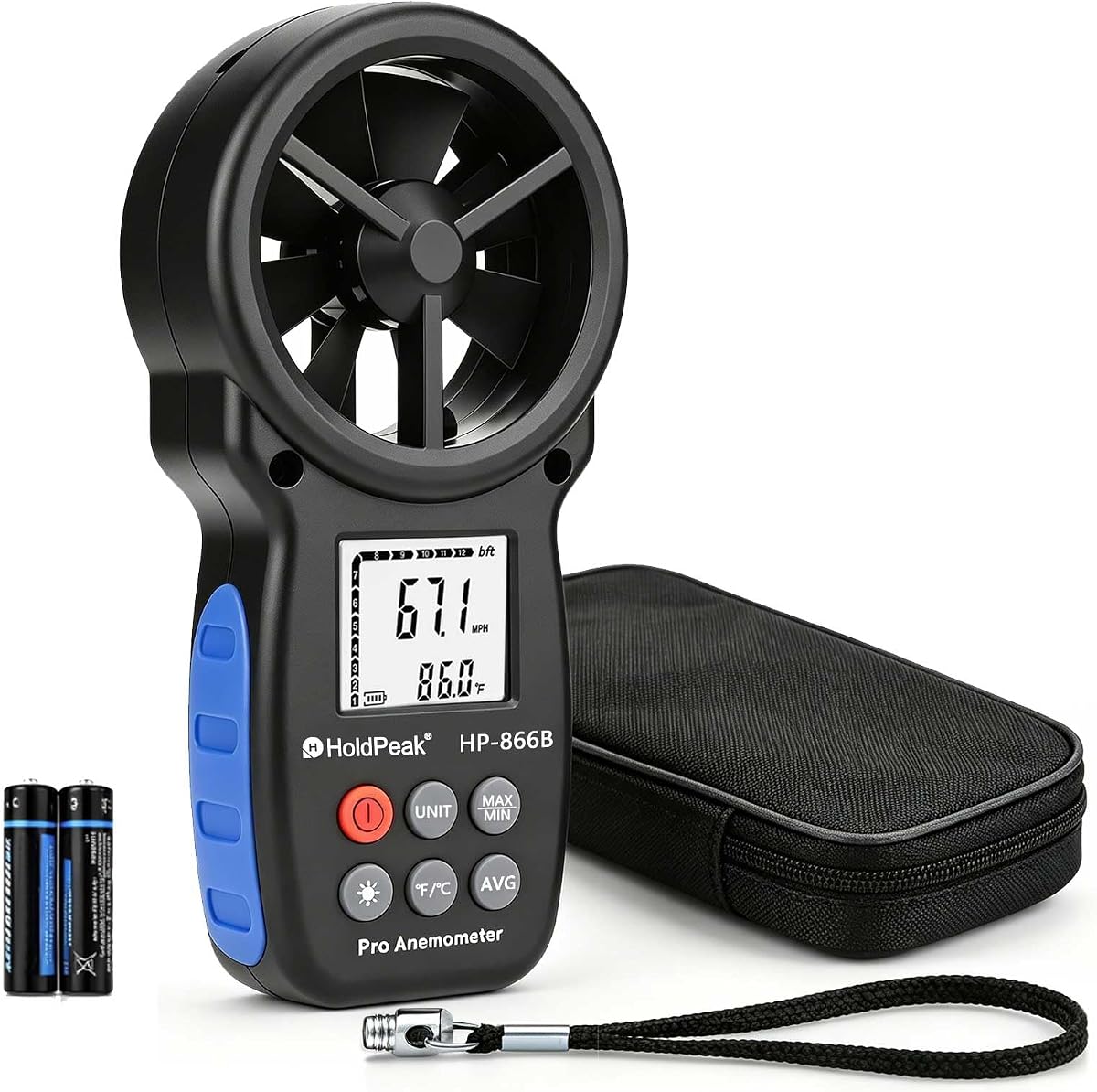
The HoldPeak 866B Digital Anemometer offers exceptional value for sailors on a budget who still require reliable wind measurements. Its high user rating reflects satisfaction with its performance in both casual and professional settings.
We may earn a commission when you buy through this link, at no additional cost to you.
Features like Max Min Average wind speed tracking allow you to capture peak gusts which is essential for safety in changing weather conditions. The hand strap and carrying pouch add extra protection ensuring the device stays secure during active use.
While it lacks advanced marine connectivity like NMEA output it covers the basics effectively for most recreational boaters. The dual temperature sensors help ensure accurate readings even when the environment is warm or cold.
This model is perfect for those entering sailing or looking for a secondary handheld unit. It delivers precise data without the high cost of integrated marine systems making it an accessible choice for many.
Recording maximum wind speeds helps captains anticipate sudden gusts that could affect boat stability or sail trim.
The included waterproof pouch and hand strap protect the device from water and drops during rough sea conditions.
We may earn a commission when you buy through this link, at no additional cost to you.
The Magnetic Mount Anemometer By Inspeed is designed for sailors who want a permanent yet portable solution for wind monitoring. Its high rating indicates trust in its calibration and build quality for consistent performance.
We may earn a commission when you buy through this link, at no additional cost to you.
The magnetic mount allows for quick attachment to metal surfaces on the boat without drilling holes. This flexibility is perfect for temporary setups or rentals where permanent installation is not feasible or allowed.
While it lacks a built-in screen it works well as a sensor unit for those with external displays or data loggers. The calibration ensures that the wind data provided is reliable for navigation decisions.
This device is best for tech-savvy sailors who integrate wind data into broader navigation systems. It offers a clean installation option for modern boats with minimal hardware requirements.
Secure magnetic attachment allows for quick setup on any metal surface without tools or drilling.
Factory calibration ensures precise measurements right out of the box for accurate sailing data.
We may earn a commission when you buy through this link, at no additional cost to you.
The Raymarine Instrument Wind I60 Display Only is a critical component for boat owners upgrading or repairing their existing Raymarine instrumentation. It focuses specifically on the display unit allowing you to keep your trusted transducer.
We may earn a commission when you buy through this link, at no additional cost to you.
Designed to fit the standard 60mm footprint it ensures a straightforward swap for older ST60 models. This compatibility makes it a go-to solution for maintaining legacy systems without needing a full overhaul.
Since it is a display only it assumes you already have a functioning wind transducer connected. This can be a cost-effective way to refresh the interface without replacing the entire sensor and display combo.
It is ideal for sailors maintaining older Raymarine systems who want to preserve their current masthead sensors. Check compatibility carefully to ensure seamless integration with your boat's wiring.
Maintains compatibility with older ST60 transducers saving money on full system replacements.
Fits standard 60mm cutouts making installation simple for most boat instrument panels.
We may earn a commission when you buy through this link, at no additional cost to you.
The TopTes TS-301 Digital Anemometer features a notably large backlight screen that ensures readability even in bright sunlight or low light. This is particularly useful on deck where glare can make smaller screens difficult to read.
We may earn a commission when you buy through this link, at no additional cost to you.
In addition to wind speed it measures humidity and temperature providing a more complete weather picture. This helps sailors understand dew points or humidity levels which can impact comfort and sail conditions.
The auto power off feature helps extend battery life during long trips. While the device is slightly bulkier than minimal handhelds the extra screen size and sensor data justify the size for detailed monitoring.
This model suits sailors who need detailed weather data beyond just wind speed. It is also great for checking ventilation in boat cabins or engine rooms with its airflow capabilities.
The large 2.26 inch screen ensures clear visibility in challenging lighting conditions on the water.
Measuring humidity adds valuable context for comfort and sail performance in varying weather conditions.
We may earn a commission when you buy through this link, at no additional cost to you.
The Raymarine E28081 Weather and Bowls is a replacement kit for sailors needing to fix a damaged wind sensor without buying a whole new system. It includes the essential bowls and vane to restore proper operation.
We may earn a commission when you buy through this link, at no additional cost to you.
Designed to fit ST50 ST60 and ST80 models it provides a cost-effective repair solution for common wear or damage. The included hardware ensures you have everything needed for installation.
Repairing the sensor extends the life of your existing unit and avoids the expense of a full replacement. This is practical for owners who prefer maintaining their current setup.
This kit is essential for DIY boat owners who understand basic marine instrument maintenance. It allows you to keep your existing display and wiring while replacing the exposed mechanical parts.
Replacing broken bowls and vanes costs less than buying a full new wind instrument system.
Compatible with ST50 ST60 and ST80 series allowing for broader use across different boats.
We may earn a commission when you buy through this link, at no additional cost to you.
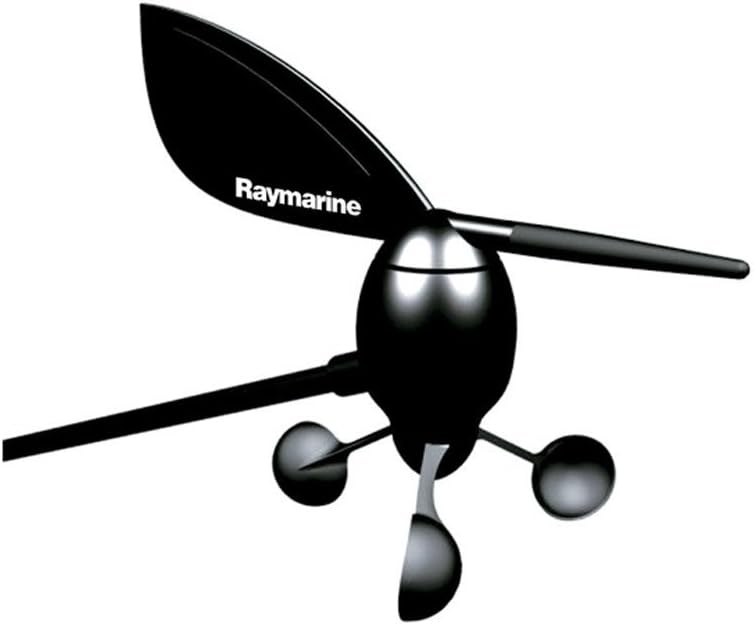
The RAYMARINE MASTHEAD ONLY WIND ARM VANE AND CUPS is the latest version of the replacement sensor for Raymarine systems. It ensures that your boat receives accurate wind data from the highest point on the vessel.
We may earn a commission when you buy through this link, at no additional cost to you.
Updated designs often improve durability and wind capture efficiency. The marine grade build withstands salt spray and UV exposure ensuring longevity in harsh offshore conditions.
While it requires connection to a display this part is key to accurate wind direction and speed readings. Without it the system cannot function properly on the mast.
This is the right choice for sailors upgrading their masthead sensor for better accuracy. Ensure your display unit is compatible with the latest version before purchase.
The latest version offers improved aerodynamics and durability for more reliable wind data.
Constructed to withstand saltwater and harsh weather ensuring long-term performance.
We may earn a commission when you buy through this link, at no additional cost to you.
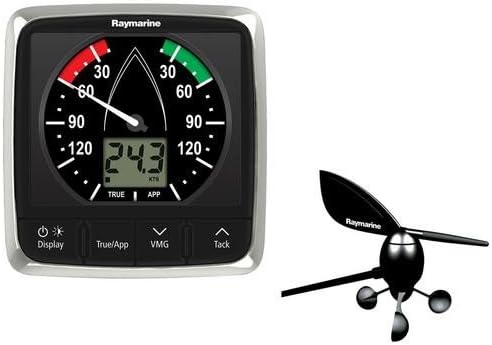
The Raymarine i60 Wind System with Masthead delivers a complete high-performance solution for serious sailors. It includes both the display and the masthead sensor ensuring seamless integration right out of the box.
We may earn a commission when you buy through this link, at no additional cost to you.
Features like VMG and tack data help optimize racing performance. The red nighttime backlight ensures readability without affecting night vision during night sailing or watches.
This system is designed for boats that need reliable accurate data integrated with other instruments. The low power consumption is ideal for long passages where battery management is critical.
Ideal for cruisers and racers who need comprehensive wind analytics. It is a premium investment that pays off in safety and performance over time.
Includes both display and sensor so you have everything needed for immediate setup.
VMG and tack data provide valuable insights for optimizing sail trim and course.
We may earn a commission when you buy through this link, at no additional cost to you.
The Raymarine i60 Wind Display System w/Masthead Wind Vane Transducer is engineered to withstand the harshest marine conditions. It provides real-time updates for critical wind data essential for navigation.
We may earn a commission when you buy through this link, at no additional cost to you.
True wind angle and apparent wind angle data allow for precise sail adjustments. The adjustable backlighting ensures visibility day or night without straining eyes.
Its robust design ensures years of trouble-free operation even with saltwater exposure. This system is built to last and perform reliably in open ocean environments.
Best for serious cruisers and racers who need consistent reliable data. The detailed metrics help in making informed tactical decisions during sails.
Accurate true wind angle measurements help optimize routing and sail performance.
Engineered to resist saltwater and extreme weather ensuring long-term reliability.
We may earn a commission when you buy through this link, at no additional cost to you.
The Mcbazel 3 in 1 Handheld Digital Anemometer Wind Meter offers a low-cost entry point for sailors needing basic wind data. It measures wind speed temperature and level making it versatile for general use.
We may earn a commission when you buy through this link, at no additional cost to you.
The inclusion of the Beaufort scale helps users estimate wind force intuitively which is useful for quick assessments. Its compact size makes it easy to carry in a pocket or small bag.
While it may not match high-end marine instruments in precision it serves well for casual outings and training. The auto power off feature helps conserve energy during storage.
This is an excellent choice for beginners or those needing a spare unit. It provides essential functionality without a significant financial commitment.
The Beaufort scale provides an easy way to understand wind force in simple terms.
Affordable pricing makes wind measurement accessible to everyone without high costs.
We may earn a commission when you buy through this link, at no additional cost to you.
Choosing the right marine anemometer depends on your specific sailing needs and technical expertise. This guide covers the key factors to consider before making your purchase.
Accuracy is critical for safety especially in high wind conditions. Look for devices with low error margins and a range that covers your typical sailing environment. Handheld units usually range from 0 to 60 mph while integrated systems can handle higher gusts.
Always check the measurement tolerance to ensure the device provides reliable data when it matters most.
Marine environments are harsh with salt spray and UV exposure damaging electronics over time. Choose units with marine-grade materials and waterproof seals. Handhelds should have protective cases while fixed units need robust housings.
Prioritize devices built to withstand the elements to avoid frequent replacements.
Readability is key on a bright sunny deck or at night. Large backlit displays with high contrast are preferred. Integrated systems often offer red night lighting to preserve night vision.
Ensure the display is easy to read from a distance without squinting.
Handheld units should have tripod holes for stability while fixed units must mount securely to the mast. Magnetic mounts offer flexibility but ensure they hold firmly in rough seas.
Secure mounting prevents data loss during movement or sudden gusts.
Consider what data you need beyond speed. Features like VMG True Wind Angle and Beaufort scale add value. Some devices log data or connect to larger navigation systems.
Choose a unit that provides the metrics necessary for your navigation style.
Long voyages require reliable power sources. Look for auto-off features and long battery life. Integrated systems often have low power consumption for extended use.
Always carry spare batteries for critical devices.
For fixed units compatibility with existing systems like Raymarine or NMEA is vital. Check if the device works with your current display and wiring setup.
Verify compatibility before buying to avoid expensive adapters.
Prices range widely from budget handhelds to premium integrated systems. Decide how often you will use the device and what features justify the cost.
Balance your budget with the performance you require for safe sailing.
To get accurate readings hold the handheld unit away from your body and any obstructions. Stand upright so the sensor faces the wind directly without shielding. For fixed units ensure the masthead sensor is unobstructed by rigging or antennas.
Regular maintenance is essential for longevity. Rinse the unit with fresh water after exposure to saltwater to prevent corrosion. Check battery compartments for moisture and replace batteries as needed to avoid leakage damage.
Store handheld units in their protective cases when not in use to prevent physical damage. For integrated systems check cable connections periodically for wear. Keeping the device clean and dry extends its operational life significantly.
For racing precision is paramount so Raymarine i60 systems with masthead transducers are top choices. They provide VMG True Wind Angle and accurate speed data essential for competitive sailing.
Yes handheld anemometers are useful for quick checks or when a fixed system is not available. Ensure you hold it steady away from the body for accurate readings on deck.
Most handheld units come pre-calibrated but fixed sensors may require professional calibration if readings drift. Follow the manufacturer's guidelines for any software or manual adjustments needed.
Apparent wind is what you feel on the boat combining true wind with the boat's motion. True wind is the actual wind speed and direction independent of the boat's movement.
Most quality marine anemometers are designed to resist water but check the IP rating. Integrated units are built for exposure while handhelds may only be splash resistant.
Regular sensors last several years but damage from storms or corrosion may require earlier replacement. Inspect the cups and vane periodically for wear or damage.
We reviewed ten top options ranging from budget handhelds to premium integrated systems. The BTMETER BT-100 and HoldPeak 866B offer great value for casual sailors needing portable tools.
For serious boaters the Raymarine i60 systems provide reliable data crucial for navigation and performance. Consider your sailing style and technical needs when narrowing down your choice.
Remember to check current prices and availability before buying as models change quickly. Select the right tool to keep your voyages safe and enjoyable.