
Rokinon Cine DS DS85M-C 85mm T1.5
4.5Editor score
Full frame coverage
T1.5 to T22 range
8 blade iris bokeh
This guide compares the top ten cine lenses for filmmakers focusing on optical performance build quality and versatile mounts for professional video production
Choosing the right cine lens is crucial for capturing cinematic visuals that stand out. These lenses offer precise manual control and consistent optical quality essential for professional video production across various camera systems.
We compared ten top rated cine lenses based on optical design build quality and mounting options. Each product was evaluated for its ability to deliver sharp images smooth focus transitions and reliable performance in diverse shooting environments.
Each pick highlights unique strengths for different filmmaking needs from budget friendly primes to versatile zooms. Please note that product availability and pricing can change over time so always verify current details before making a purchase.
4.5Editor score
5.0Editor score

5.0Editor score
This table provides a side by side overview of the top ten cine lenses highlighting key specifications and features to help you quickly compare options for your specific camera system and filmmaking needs.


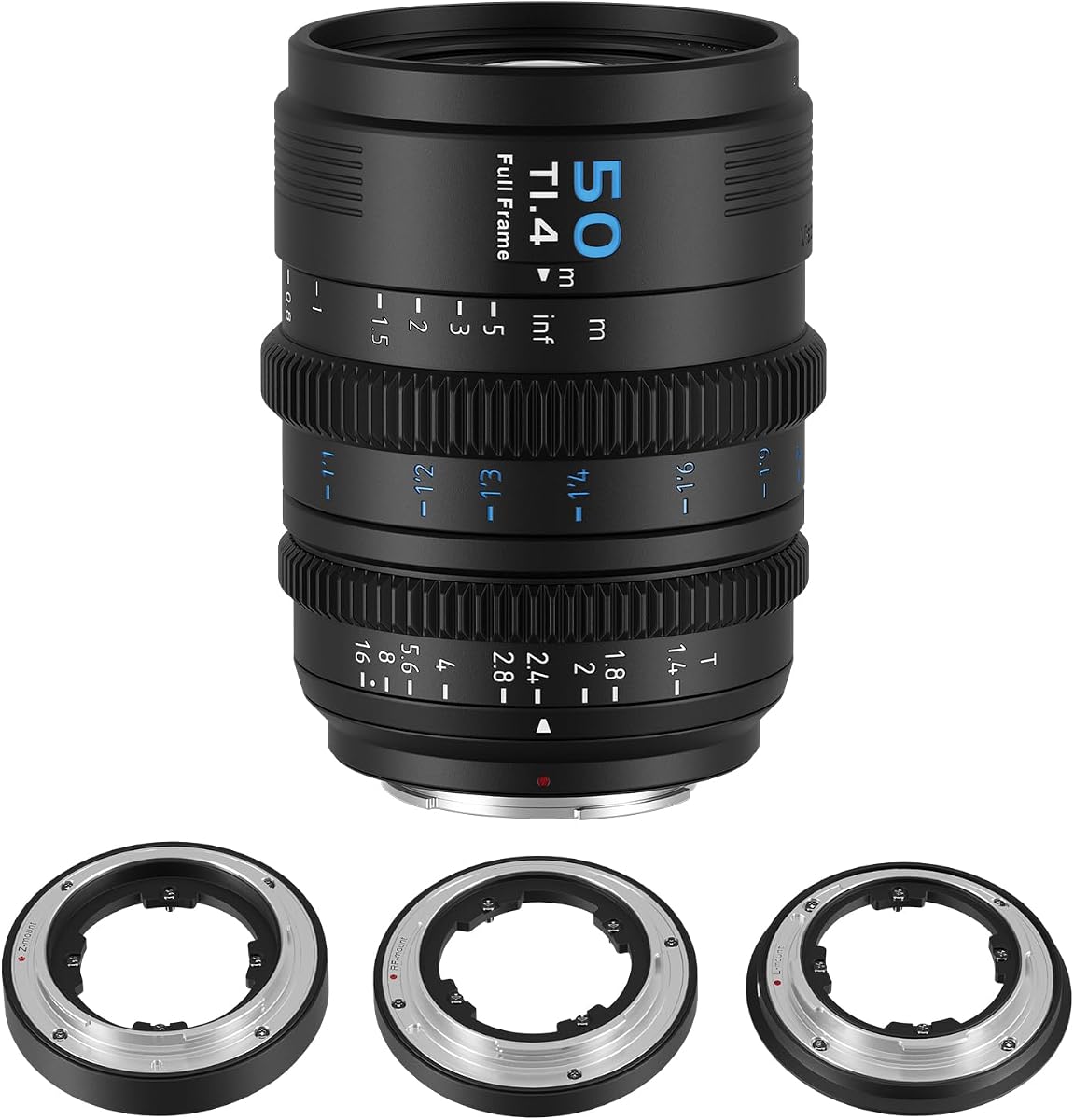


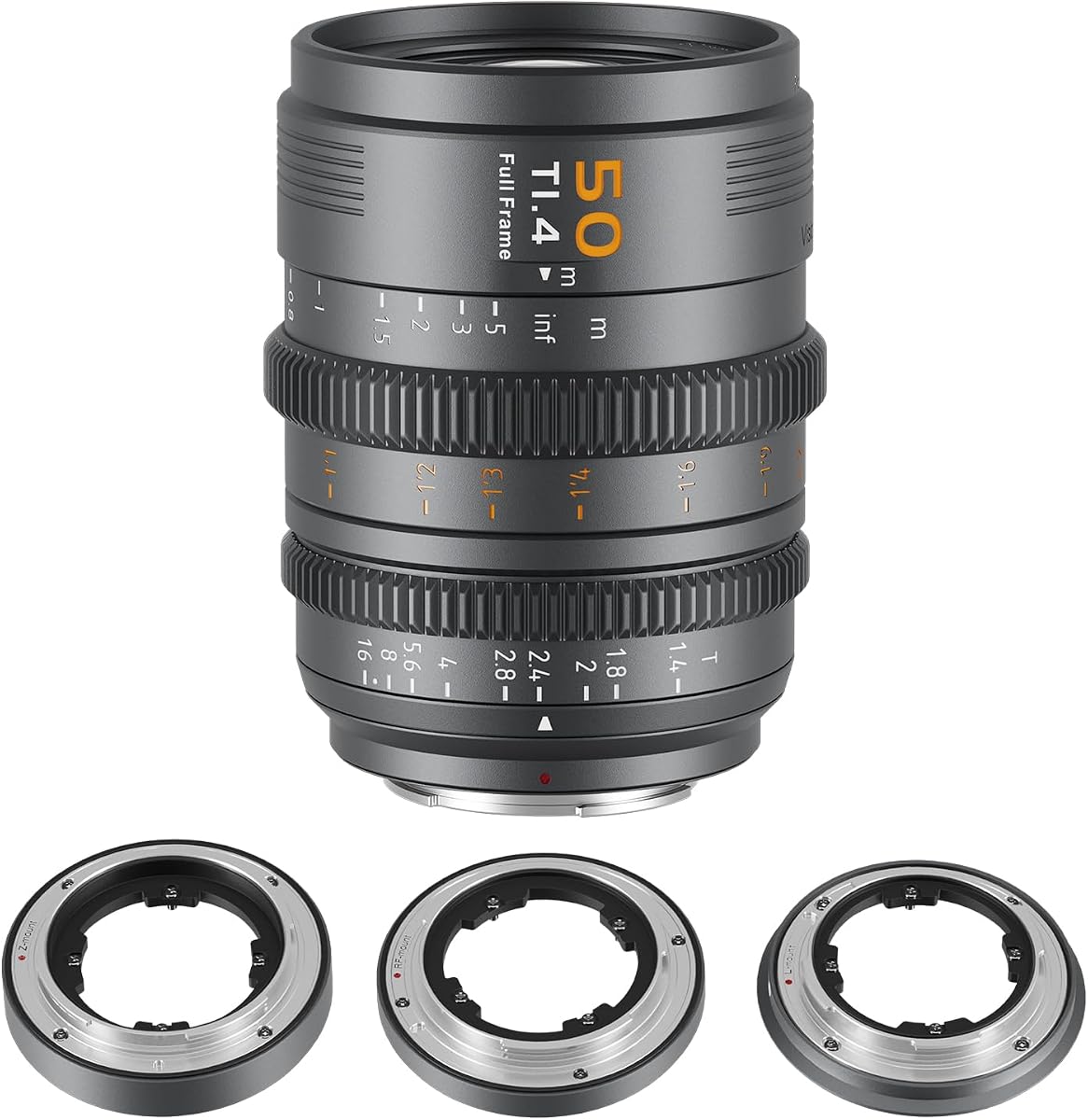
The SIRUI VP-1 Vision Prime 1 50mm T1.4 stands out as a top choice for filmmakers seeking premium optics without prohibitive costs. With a perfect five star rating it delivers exceptional optical performance and versatility across multiple camera systems.
We may earn a commission when you buy through this link, at no additional cost to you.
Its T1.4 aperture allows for stunning low light shooting and beautiful subject separation while the interchangeable mount system ensures compatibility with Sony Canon Nikon and Panasonic cameras. The lens integrates aspherical and ED glass for minimal distortion and chromatic aberrations.
While the price point is higher than basic options the build quality and optical clarity justify the investment. The compact 600g weight makes it ideal for gimbal work and travel documentaries without sacrificing professional image quality.
This lens is ideal for independent filmmakers and content creators who need reliable performance across different camera bodies. Its consistent design across the VP-1 series makes it easy to switch focal lengths during production.
The interchangeable mount system lets you switch between E RF Z and L mounts easily ensuring the lens works with your current and future camera gear without buying multiples.
Engineered for 8K storytelling the lens delivers edge to edge sharpness and controlled aberrations ensuring your footage looks crisp on the highest resolution displays.
We may earn a commission when you buy through this link, at no additional cost to you.
The Rokinon Cine DS DS85M-C offers an affordable entry into professional cine lens territory with solid optical performance. Its 85mm focal length is perfect for portraits and tight shots while the T1.5 aperture provides excellent light gathering capability.
We may earn a commission when you buy through this link, at no additional cost to you.
Users appreciate the unified gear and aperture positions across Rokinon DS lenses making it easy to swap lenses on a rig without rebalancing. The color matching ensures consistent tones across different focal lengths in a set.
The focus transition is smooth and manual but requires practice for precise control. While it lacks autofocus the manual design is typical for cine lenses and allows for more artistic intent during shooting.
This lens is best for filmmakers on a budget who need reliable full frame coverage and professional build quality. It pairs well with other Rokinon DS lenses to create a cohesive set for various shooting scenarios.
All Rokinon DS lenses share gear and aperture positions allowing seamless swaps on rigs and consistent operation across your entire lens kit.
The 85mm focal length provides flattering compression and perspective for portraits and medium shots with beautiful subject isolation and background blur.
We may earn a commission when you buy through this link, at no additional cost to you.
The DZOFILM Pictor 50-125mm T2.8 delivers premium zoom performance with parfocal consistency essential for professional video work. Its perfect five star rating reflects exceptional build quality and optical precision across the entire zoom range.
We may earn a commission when you buy through this link, at no additional cost to you.
The parfocal design ensures focus remains locked while zooming eliminating the need to refocus during shots. Minimal focus breathing and a 16 slat iris provide smooth transitions and pleasing bokeh even at the maximum aperture.
While heavier than prime lenses the zoom range offers flexibility for dynamic shots without changing lenses. The PL and EF mount compatibility ensures it fits many cinema and hybrid camera systems used in professional productions.
This lens is ideal for production teams needing a high quality zoom for run and gun or studio work. Its reliable performance and durable construction make it a valuable asset for any professional cine lens collection.
Maintains focus across the entire zoom range allowing smooth zoom transitions without losing sharpness on your subject during critical shots.
The 16 slat iris offers precise aperture control and smooth circular bokeh enhancing the cinematic quality of your footage in various lighting conditions.
We may earn a commission when you buy through this link, at no additional cost to you.
The ROKINON CINE DS T1.5 Cinema Lens Kit provides four essential focal lengths in one package ideal for filmmakers building a complete setup. With a 4.9 rating it offers high user satisfaction through consistent performance and reliable build quality.
We may earn a commission when you buy through this link, at no additional cost to you.
The kit includes 24mm 35mm 50mm and 85mm lenses all color matched for seamless shooting across different angles. Dual side focus and T-stop scales with de-clicked aperture rings allow precise manual control for cinematic results.
While limited to Canon EF mount the kit is comprehensive for full frame sensors. Users benefit from multi-layer coating that reduces flare and ensures consistent exposure settings across all lenses in the set.
This kit is perfect for solo creators or small teams needing versatile focal lengths without individual purchases. The unified design and consistent T1.5 aperture make it easy to maintain visual continuity throughout production.
Covers wide to telephoto needs with 24mm 35mm 50mm and 85mm options allowing you to capture any shot without buying lenses separately.
All lenses share gear and aperture positions enabling quick swaps on rigs and smooth operation with follow focus systems during filming.
We may earn a commission when you buy through this link, at no additional cost to you.
The SIRUI VP-1 Vision Prime 1 50mm T1.4 offers exceptional flexibility with its interchangeable mount system allowing compatibility with multiple camera brands. Its design prioritizes portability and optical quality for modern hybrid shooters.
We may earn a commission when you buy through this link, at no additional cost to you.
The T1.4 aperture enables shooting in challenging light without pushing ISO too high while maintaining detailed image quality. At around 600 grams it is light enough for gimbal work and handheld documentary shooting.
While the rating varies slightly the optical performance remains strong across mounts. The consistent design across the series means you can swap focal lengths without worrying about mismatched dimensions or gear positions on your rig.
This lens is suitable for creators who switch camera systems frequently or plan to upgrade bodies later. Its compact size and fast aperture make it a versatile tool for travel and event filming.
Interchangeable mounts allow use with Sony Canon Nikon and Panasonic cameras reducing the need for multiple lens purchases when switching systems.
Lightweight aluminum body ensures easy stabilization and long handheld sessions without fatigue while maintaining professional build standards and durability.
We may earn a commission when you buy through this link, at no additional cost to you.
The Rokinon 35mm T1.5 Cine DS provides a versatile wide angle option for storytelling and environmental shots. With a 4.6 rating it balances performance and affordability for filmmakers needing a reliable lens in this focal length.
We may earn a commission when you buy through this link, at no additional cost to you.
Its 63.1 degree angle of view on full frame captures expansive scenes while the T1.5 aperture allows for decent low light performance. The lens is color matched to other Rokinon DS lenses ensuring consistency in multi lens setups.
The manual focus and de-clicked aperture ring offer precise control typical of cine lenses. While it requires manual operation the smooth transition and build quality support professional results in various shooting conditions.
This lens is ideal for filmmakers who need a standard wide prime for interviews or establishing shots. It fits well into the Rokinon DS ecosystem making it easy to expand your kit with matching lenses.
The 35mm focal length offers a natural field of view for capturing scenes and subjects with context and depth in any environment.
Color matched optics and unified gear positions ensure seamless integration with other Rokinon DS lenses for professional multi lens shooting setups.
We may earn a commission when you buy through this link, at no additional cost to you.
The SIRUI Night Walker 35mm excels in low light conditions with its T1.2 aperture allowing clean footage without high ISO noise. It is optimized for S35 sensors making it a strong choice for cameras like the FX30 or A6500.
We may earn a commission when you buy through this link, at no additional cost to you.
Its optical design delivers sharpness even at maximum aperture with minimal focus breathing and well controlled aberrations. The 500g weight makes it portable for run and gun or documentary filming in challenging environments.
Users benefit from the large aperture for subject separation and creative control over depth of field. While limited to S35 coverage the lens fits well within the Night Walker series for cohesive sets across different focal lengths.
This lens is perfect for filmmakers shooting indoors or at night where light is limited. Its bright aperture and lightweight design make it a practical tool for capturing expressive and aesthetically pleasing footage.
The T1.2 aperture captures maximum light reducing noise and preserving detail in dark scenes without sacrificing image quality or requiring excessive lighting.
Designed specifically for S35 sensors ensures optimal image circle coverage and performance on cameras like the Sony FX30 and similar crop sensor bodies.
We may earn a commission when you buy through this link, at no additional cost to you.
The SIRUI Night Walker 24mm RF offers a wide perspective for landscapes and environmental storytelling with a bright T1.2 aperture. It supports RF mount cameras like the R7 and C70 making it versatile for hybrid shooters.
We may earn a commission when you buy through this link, at no additional cost to you.
Its 0.3m close focus allows for creative close-ups and detail shots with depth and visual impact. The optical design ensures high sharpness and minimal breathing which is critical for smooth focus pulls during video production.
The lens is lightweight and sturdy with an aluminum housing that protects internal elements. While limited to S35 coverage the wide focal length and fast aperture make it a strong addition for dynamic video projects.
This lens suits filmmakers needing wide coverage with low light performance on RF mount cameras. Its close focus and manual control provide flexibility for creative compositions in various shooting scenarios.
The 24mm focal length balances a broad field of view with natural composition ideal for landscapes street scenes and environmental storytelling.
Focus as close as 0.3m enables immersive detail shots and tabletop scenes adding visual interest and depth to your cinematic footage.
We may earn a commission when you buy through this link, at no additional cost to you.
The SIRUI Night Walker 24mm M43 is designed for M4/3 cameras providing a wide angle view with strong low light capabilities. With a 4.9 rating it delivers high user satisfaction through sharp optics and reliable build quality.
We may earn a commission when you buy through this link, at no additional cost to you.
Its T1.2 aperture ensures clean images in low light while the 12 element lens structure controls aberrations and maintains sharpness across the frame. The 500g weight makes it easy to stabilize on gimbals or handheld.
The lens focuses as close as 0.3m allowing for creative macro and detail shots. While limited to S35 coverage the focal length provides equivalent 34mm full frame perspective ideal for environmental shots and street filming.
This lens is ideal for creators using Blackmagic or Panasonic cameras who need a fast wide angle. Its consistent performance and lightweight design support mobile production workflows without compromising image quality.
Designed specifically for M4/3 cameras ensures proper image circle coverage and performance on models like the GH6 and BMPCC4K.
At around 500 grams the lens is light enough for long handheld sessions and gimbal work maintaining mobility without sacrificing cine build quality.
We may earn a commission when you buy through this link, at no additional cost to you.
The Rokinon DSX85 DSX 85mm T1.5 provides excellent portrait capabilities with its 85mm focal length and T1.5 aperture. It delivers sharp images with smooth bokeh at an accessible price point for budget conscious filmmakers.
We may earn a commission when you buy through this link, at no additional cost to you.
Optically it uses 9 elements in 7 groups with ultra multi-coated glass to reduce flare and ensure clarity. The 9 aperture blades create attractive background blur that enhances subject focus in various shooting conditions.
The focus transition is manual and smooth requiring practice for precise control. While it lacks autofocus the cine design supports intentional artistic control and consistent gear positioning with other Rokinon lenses.
This lens is ideal for filmmakers needing a dedicated portrait lens without premium pricing. Its optical quality and build make it a reliable tool for interviews close-ups and character driven storytelling.
The 85mm focal length offers flattering compression and perspective for portraits and medium shots with strong subject isolation.
Nine aperture blades create smooth and circular out of focus areas enhancing the cinematic look of your subject against the background.
We may earn a commission when you buy through this link, at no additional cost to you.
Selecting the right cine lens requires evaluating optical performance build quality and compatibility with your camera system. Use these factors to guide your purchase decision.
Ensure the lens mount matches your camera system. Some lenses offer interchangeable mounts which provide flexibility if you switch cameras or use multiple bodies for different projects.
Choose a mount that fits your current gear or consider versatile options that support future upgrades.
Wider apertures like T1.2 or T1.5 allow more light in low conditions and create shallower depth of field. This is essential for low light shooting and achieving cinematic subject separation.
Prioritize faster apertures if you film in varied lighting environments frequently.
Consider your primary shooting needs when choosing focal lengths. Wide lenses like 24mm suit landscapes while 85mm is ideal for portraits. A mix of focal lengths provides versatility across different shot types.
Select lenses that cover the range of shots you plan to capture regularly.
Cine lenses should have durable metal bodies and smooth mechanical controls. Weight impacts portability and stabilization especially for handheld or gimbal use so balance build with mobility needs.
Look for aluminum alloy construction and consistent gear positions for reliable operation on rigs.
Evaluate sharpness aberration control and focus breathing. High quality glass and advanced coatings reduce flare and distortion ensuring crisp images even at maximum aperture.
Choose lenses with aspherical or ED elements for superior clarity and minimal optical flaws.
Set a realistic budget while considering long term value. Higher priced lenses may offer better optics but affordable options can deliver professional results if selected carefully for your needs.
Invest in lenses that balance performance with cost to avoid overspending on features you won't use.
Kits provide multiple focal lengths with consistent optics at a lower total cost. Individual lenses offer more choice but may lack color matching and gear uniformity across different brands.
Opt for kits if you need a complete set quickly or individual lenses for specific focal needs.
Most cine lenses are manual focus to allow precise control during video production. Autofocus is rare in professional cine lenses but can be useful for fast shooting scenarios.
Decide if manual focus control is necessary for your workflow or if you prefer motorized options.
Always mount the lens securely on your camera to avoid sensor damage or misalignment. Use appropriate adapters if your mount differs from the camera system and check compatibility before purchase.
Clean the front and rear elements gently with a microfiber cloth and proper lens cleaning solution. Avoid touching glass with fingers to prevent smudges that affect image quality and optical clarity.
Store lenses in a dry cool place away from direct sunlight and moisture. Use lens caps and protective cases to prevent scratches and impacts during transport and long term storage periods.
Cine lenses are designed for video production with smooth manual focus control consistent gear positions and de-clicked aperture rings. They prioritize optical consistency across focal lengths and minimize focus breathing for cinematic results.
While not strictly necessary cine lenses offer better manual control and optical consistency for video. Many professionals prefer them for their build quality and predictable performance during shooting.
Compatibility depends on the mount. Some lenses offer interchangeable mounts to support multiple camera systems. Always check the lens mount against your camera's mount before purchasing.
Yes cine lenses work for photography but they lack autofocus and may be heavier than photo lenses. They deliver sharp images and smooth bokeh which can be advantageous for certain photography styles.
T-stop measures the actual light transmission through the lens rather than the theoretical aperture. It ensures consistent exposure across different lenses and is more accurate than F-stop for video.
Use lens caps when not in use store in protective cases and avoid exposing to dust or moisture. Handle the focus and aperture rings gently to maintain smooth mechanical operation.
A 35mm or 50mm focal length offers versatility for wide and medium shots. These are great for learning composition and framing without committing to specialized narrow or wide options.
The ten lenses reviewed offer a range of options from budget friendly primes to versatile zooms. Top picks like the SIRUI VP-1 and DZOFILM Pictor provide premium performance for serious filmmakers.
Prioritize optical performance build quality and compatibility with your camera system when making your choice. Consider your budget and shooting style to find a lens that supports your creative goals.
Always check current prices and availability before purchasing as stock and deals can change over time. Investing in the right cine lens will enhance your footage quality and production workflow.