
Uniden BC365CRS
4.2Editor score
Five hundred analog channels
Built in alarm clock
FM radio preset memory
This expert guide compares the top ten fire and police scanner for home use options available in October 2026 to help you choose the right monitor for your
Keeping your home safe starts with staying informed about local emergency activity. A dedicated scanner lets you hear real time updates from police and fire departments without relying on internet streams or delayed news reports. Choosing the right model depends on whether you need analog or digital reception and how much control you want over channels.
We evaluated ten leading models based on their channel capacity, decoding capabilities, and ease of setup for home environments. Our analysis focuses on units that balance performance with usability for enthusiasts and casual listeners alike. Each entry includes verified specifications and feature highlights to help you narrow down your options quickly.
Every selection below highlights unique strengths and trade offs so you can match a device to your specific monitoring goals. Keep in mind that features like trunking support and weather alerts vary significantly across models and price points. Always check the latest availability and current offers before making your final purchase decision online.
4.2Editor score

4.2Editor score

4.5Editor score
The following table provides a side by side overview of the ten featured scanners. It highlights core specifications like channel counts and decoding types so you can quickly see which unit fits your technical requirements and budget constraints.

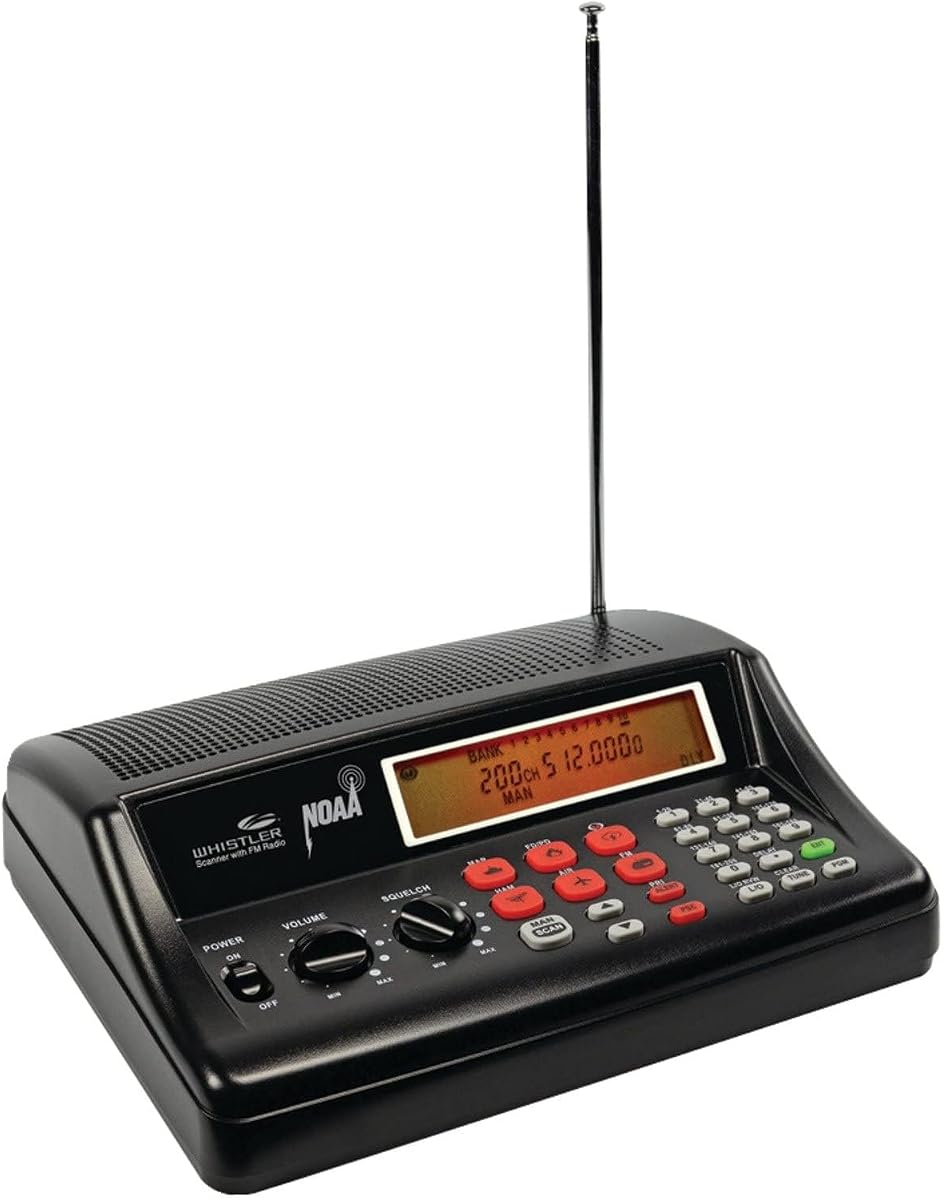




The Uniden BC365CRS stands out as an accessible entry point for anyone wanting to monitor local emergency services at home. It holds a solid rating from users who appreciate its straightforward operation and reliable analog performance. While it lacks modern digital features, it covers the basics well for non digital areas.
We may earn a commission when you buy through this link, at no additional cost to you.
This unit shines with its all in one design that combines scanning with an alarm clock and FM radio. You can store up to three hundred FM stations and set alarms to wake you with weather or local broadcasts. The priority function checks important channels every two seconds ensuring you rarely miss critical alerts.
Trade offs exist primarily because this scanner cannot decode digital trunked systems used by many large city agencies. If your local police or fire departments have switched to digital, you will not hear them with this model. However, for rural or suburban analog zones, it remains a cost effective solution.
Buyers looking for a simple desktop monitor without complex programming needs should consider this model highly. It is perfect for casual listeners who want to stay informed without spending hours on setup. Just ensure your local systems are analog before purchasing to avoid compatibility issues.
Combining a scanner with an alarm clock saves desk space and adds utility beyond monitoring.
The built in bands cover aviation marine and emergency services for comprehensive local listening.
We may earn a commission when you buy through this link, at no additional cost to you.
The Uniden BC355N offers a flexible approach to scanning with features that work well in both home and mobile settings. Users rate it well for its ability to pick up local signals quickly using Close Call RF capture. It is a strong choice for those who need mobility alongside home monitoring.
We may earn a commission when you buy through this link, at no additional cost to you.
Its Close Call feature instantly tunes to nearby transmitters making it easier to find active frequencies without manual searching. You can save three hundred frequencies and access them quickly when you encounter new local activity. The unit comes with power options for both wall outlets and vehicle cigarette lighters.
One limitation is that it cannot handle digital trunked systems which limits its utility in major metropolitan areas. If your local services use digital protocols you will need to upgrade to a digital Uniden model. For analog monitoring it remains a robust and feature packed option.
This scanner is ideal for users who want to move between their car and desk without buying two devices. The preprogrammed bands help you start listening immediately. Just verify your local systems are analog to get the most out of this unit.
This feature speeds up discovery of active signals by detecting nearby transmissions automatically.
Included power cables allow operation from home outlets or vehicle DC sources easily.
We may earn a commission when you buy through this link, at no additional cost to you.
The Whistler WS1025 is a straightforward analog scanner designed for users who prefer simplicity over advanced digital capabilities. It receives solid feedback for its ease of use and helpful features like scan delay. This model is best suited for areas where analog signals are still prevalent.
We may earn a commission when you buy through this link, at no additional cost to you.
A key strength is the scan delay function which pauses briefly before moving to the next channel so you can hear replies. The priority channel ensures important frequencies get checked every two seconds while scanning. You can also use the tune function to search for unlisted frequencies directly.
While the two hundred channel limit is lower than some competitors it is sufficient for many local monitoring needs. However it does not support digital trunking which restricts its use in urban areas with upgraded systems. Beginners will find the interface intuitive and quick to set up.
Buyers should choose this unit if they need a reliable analog desktop monitor without complex programming steps. It serves well as a second device or for smaller jurisdictions. Always confirm your target frequencies are analog to ensure compatibility.
This feature prevents missing crucial follow up traffic by holding on active channels briefly.
Simple menus make it easy to program channels without needing a computer connection.
We may earn a commission when you buy through this link, at no additional cost to you.
The Whistler WS1065 is a robust desktop scanner capable of handling digital trunked systems that many analog units cannot. It holds a strong rating for its ability to decode P25 signals and manage large channel banks. This device is tailored for enthusiasts who need advanced digital monitoring at home.
We may earn a commission when you buy through this link, at no additional cost to you.
Its Automatic Adaptive Digital Tracking adjusts rapidly to signal changes which improves audio clarity in noisy environments. You can program it via USB at high speeds and clone settings between units easily. The V-Scanner feature helps you discover active frequencies without manual intervention.
Despite its power it is designed strictly for desktop use without built in GPS for location based scanning. Users who need mobile features may find this limiting compared to handheld options. However for a fixed home station it offers excellent digital performance and expandable memory.
Choose this scanner if you live in an area with digital trunking systems and want a reliable base station. It bridges the gap between entry level and top tier digital units. Ensure you have time to learn the menu driven programming for best results.
Adaptive technology maintains audio quality by adjusting to signal fading in real time.
Store over 1800 channels to cover broad regions or multiple service types efficiently.
We may earn a commission when you buy through this link, at no additional cost to you.
The Uniden HomePatrol-2 simplifies digital scanning with a color touchscreen that makes navigation intuitive for users. It has a solid rating among enthusiasts who value its ability to decode P25 Phase 1 and 2 systems. This model is designed for those who want advanced features without complex coding.
We may earn a commission when you buy through this link, at no additional cost to you.
You can select radio services directly from the touchscreen and use Sentinel software to keep firmware and databases current. The unit supports Motorola EDACS LTR and conventional analog alongside digital channels. Emergency weather alerts ensure you stay warned about severe conditions in your area.
While powerful it lacks built in GPS which means you need an external receiver for location based tracking. Some users find the price higher than other units but the ease of use often justifies the cost. It is a great upgrade for those tired of basic analog units.
Buyers looking for a user friendly digital experience should consider this scanner highly. It reduces setup time significantly compared to traditional models. Just remember to update regularly via Sentinel to maintain accurate frequency information.
Direct selection of services removes the need for deep menu diving or manual entry.
Updates keep the unit ready for new systems without needing to replace hardware often.
We may earn a commission when you buy through this link, at no additional cost to you.
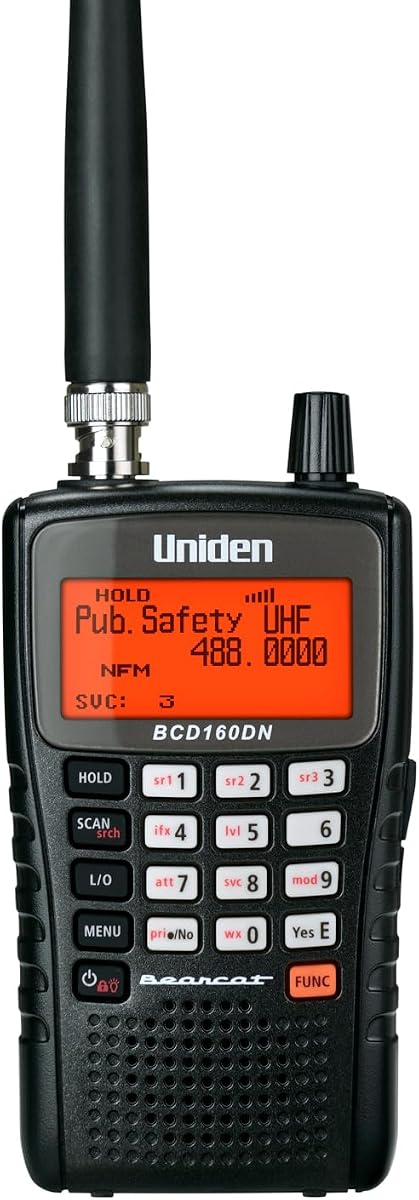
The Uniden BCD160DN brings digital scanning to a handheld form factor with support for DMR and NXDN systems. It receives mixed feedback due to missing trunking features and a lower overall rating than some rivals. It remains a solid option for users focusing on specific digital protocols.
We may earn a commission when you buy through this link, at no additional cost to you.
Band Scope Rapid System tagging helps you detect signals quickly by identifying channel numbers instantly. The narrow band reception improves clarity on digital channels which is vital for clear audio. You can charge the included Ni-MH batteries via USB while they remain in the device.
However it does not support trunked systems like P25 which limits its scope in major cities. The custom search feature lets you start scanning from specific frequencies manually. It is best for travelers who need portability and DMR capabilities without bulk.
Choose this unit if you need a small digital scanner for specific channels and portability. Ensure your target systems are not trunked to avoid compatibility issues. The rechargeable battery option adds convenience for long listening sessions away from home.
Compact design allows you to monitor digital signals on the go without heavy equipment.
Start scanning from any frequency to discover new channels or verify signal presence.
We may earn a commission when you buy through this link, at no additional cost to you.
The Uniden BCD436HP is widely regarded as the top handheld scanner for digital systems due to its seamless programming process. It holds a high rating for its ease of use and advanced features like Instant Replay. This unit is perfect for serious enthusiasts who want performance without complexity.
We may earn a commission when you buy through this link, at no additional cost to you.
You simply enter your zip code and TrunkTracker V handles the rest by selecting nearby systems. Instant Replay plays back up to four minutes of recent transmissions ensuring you never miss critical audio. Custom alerts let you program specific tone patterns for channels or units of interest.
The large display improves readability and the Close Call feature detects nearby transmitters effectively. Some users note the need for a separate GPS receiver to enable location based scanning fully. Despite this it remains the most user friendly digital handheld on the market.
Buyers seeking a powerful digital handheld should prioritize this model for its intuitive operation. It balances professional features with consumer friendly design. Ensure you budget for an external GPS if location based scanning is a priority for you.
Automated selection removes manual programming by identifying local systems based on your location.
This tool lets you listen to missed transmissions after they have occurred for review.
We may earn a commission when you buy through this link, at no additional cost to you.
The Uniden BCD996P2 is a powerful digital scanner that supports Phase 2 systems and dynamic channel allocation. Users appreciate its massive memory capacity and close Call RF capture technology for discovering local activity. It is an excellent choice for mobile or base station use.
We may earn a commission when you buy through this link, at no additional cost to you.
Location Based Scanning lets you select systems based on your exact location when connected to GPS. The Close Call Do-Not-Disturb feature ensures active channels are not interrupted during monitoring. You get access to all standard digital trunking protocols plus analog channels.
While the channel count is high the interface may require time to master for new users. It is designed primarily for mobile or base setups rather than handheld portability. For serious digital scanning needs this unit offers top tier flexibility and capacity.
Choose this scanner if you need extensive capacity and Phase 2 support in a mobile package. It suits users who travel or want a permanent base station. Ensure you have a GPS unit ready to unlock location based features fully.
Dynamically allocated channels allow you to store 25000 frequencies without wasting space.
GPS integration selects appropriate systems automatically as you move across regions.
We may earn a commission when you buy through this link, at no additional cost to you.
The Uniden BCT15X offers location based scanning for analog systems with a large channel capacity for local monitoring. It has a solid rating for its ability to adapt to travel zones using GPS features. This model is best for users who travel frequently between analog jurisdictions.
We may earn a commission when you buy through this link, at no additional cost to you.
TrunkTracker III helps you keep up with Motorola EDACS and LTR systems without programming. Location Based Scanning selects systems automatically when connected to a GPS receiver. You get access to state by state preprogrammed channels for police and DOT frequencies.
However it cannot decode digital signals which limits its use in areas that have upgraded. The close Call technology helps find nearby signals quickly even while traveling. It is a strong alternative for those who need mobility and high channel counts without digital costs.
Buyers looking for a travel friendly analog scanner should consider this unit highly. It simplifies setup for drivers who move between regions. Always verify your target areas still use analog to maximize the value of this device.
State by state channels simplify monitoring when crossing borders or traveling to new areas.
Supports common analog trunking systems without requiring manual channel programming.
We may earn a commission when you buy through this link, at no additional cost to you.
The Uniden SDS200 delivers the best digital decode performance in the industry with True I/Q technology and software defined radio. It earns the highest ratings for its customizable color display and powerful database. This device is built for enthusiasts who demand top tier quality.
We may earn a commission when you buy through this link, at no additional cost to you.
You can set display colors for each field and organize favorites lists easily. The large database includes all known radio systems in the US and Canada and updates weekly. Location based scanning ensures you only monitor relevant systems as you travel.
Despite its power it comes with a high price tag and requires time to learn advanced settings. The included antenna and mounting hardware make it ready for base station use out of the box. It is a premium investment for serious digital scanning.
Choose this scanner if you want the best possible audio and features for digital networks. It is worth the cost for those who monitor critical systems daily. Be prepared to spend time configuring it to get the most out of its capabilities.
This decoding method reduces interference and improves audio quality on digital signals.
Adjust colors and data fields to suit your visual preferences and workflow needs.
We may earn a commission when you buy through this link, at no additional cost to you.
Selecting the right scanner depends on understanding your local communication systems and your own technical comfort level. This guide covers the essential factors to consider before purchasing a home monitoring device.
The most critical decision is whether your local public safety agencies use analog or digital signals. Many cities have switched to digital trunked systems like P25 which analog scanners cannot decode. Check your local frequency database to confirm the type of technology used before buying.
If digital is used you must choose a scanner capable of decoding that format to hear emergency traffic. Analog scanners are cheaper and simpler but will only work in areas that have not upgraded yet.
Trunking allows multiple users to share a pool of frequencies which requires advanced scanners to follow automatically. Without this feature you will miss important transmissions even if you have a digital scanner. Look for TrunkTracker V or similar technology if your area uses Motorola or EDACS systems.
Ensure the scanner supports the specific trunking types in your region to avoid gaps in coverage. This feature is standard on most modern digital units but absent on entry models.
Channel capacity determines how many frequencies you can store for monitoring. Larger cities often require hundreds or thousands of channels to cover all services. If you plan to track multiple counties or states you will need a model with significant memory space.
Choose a unit with enough slots to grow your database as you discover new channels. Most mid range scanners offer ample capacity for typical home use cases.
Programming can be simple or complex depending on the unit. Some scanners use zip codes to auto select systems which saves hours of manual work. Others require computer software and detailed knowledge of frequencies to function correctly.
Prioritize models with intuitive menus or auto location features if you want quick setup. Advanced units offer more control but demand time to learn and manage effectively.
Consider whether you need a stationary desktop unit or a portable handheld model. Desktop scanners often have better antennas and more memory but cannot be moved easily. Handhelds provide flexibility for travel but may have smaller displays and battery life.
Mobile units bridge this gap with vehicle power options and robust designs. Choose the form that fits your lifestyle and where you plan to listen most often.
Many scanners include NOAA weather reception and specific alerts for severe conditions. S.A.M.E. codes let you receive warnings for your exact location instead of whole regions. This adds significant value during storms or emergencies when information is critical.
Verify that the unit supports alerts for your specific county or area. Some older models only broadcast general weather without specific warnings for your zone.
Look for scanners that support firmware updates to ensure longevity. New technologies emerge often and a unit that cannot be updated may become obsolete quickly. Check the manufacturer history to see how long they support older models with database updates.
Models with active software support protect your investment against rapid changes in communication standards. Avoid brands that have discontinued support for their devices.
Higher priced units usually offer better audio quality and more decoding features. Entry level models are fine for basic analog listening but struggle with complex digital networks. Determine how much you value clarity and reliability before investing in premium hardware.
Balance your budget with your technical needs to find the right match. Spending more on performance is often better than buying a cheap unit that cannot decode your local signals.
Start by setting up your scanner in a central location near a power outlet and where you can see the display easily. Connect the external antenna if provided to ensure optimal signal strength before scanning. If your unit supports GPS insert it before powering on to enable location features.
Use the provided software or onboard menus to enter your zip code and update the frequency database. This ensures your scanner knows which systems are nearby and ready to monitor. Avoid using manual programming unless you are certain of the exact frequencies in your area.
Regularly clean the display and ventilation slots with a soft dry cloth to maintain performance. Store the unit in a dry place away from direct sunlight to prevent screen damage. Update firmware whenever available to fix bugs and add new channels for better coverage.
Most consumer scanners are designed to exclude encrypted private and military frequencies due to legal restrictions. While you may pick up unencrypted channels public safety agencies like police and fire use shared public frequencies. Always review local laws regarding what you are allowed to listen to in your jurisdiction.
Static often occurs when the local system uses digital signals that your analog scanner cannot decode. It can also result from weak signal strength or interference from other electronics. Try moving the antenna to a higher location or upgrading to a digital scanner if your area uses digital protocols.
It depends on the model as many modern units allow zip code or button programming directly. Some advanced scanners require software updates or initial configuration via a PC. Check the manual to see if your preferred unit supports standalone setup or needs a computer for full function.
Many models cover both countries but you must verify the frequency ranges match Canadian bands. Some units include specific Canadian databases and location support while others are USA focused. Always check the product details to confirm international compatibility before purchasing for travel.
Frequency changes happen regularly so updating the database every few months is recommended. Most scanners use software to pull weekly or monthly updates for accurate channel lists. Keeping your scanner updated ensures you continue to hear active transmissions as services change their frequencies.
Some high end models include replay features that store recent audio internally. Most basic units do not support external recording without additional hardware or software. Check the product specs for playback features if saving conversations is a priority for you.
If your local services switch to digital your analog scanner will no longer hear them. You will need to purchase a digital scanner that supports the specific protocol they are using. Check local government announcements to know when such transitions occur in your area.
An external antenna significantly improves reception range especially if you live far from towers. Basic units may work fine nearby but outdoor antennas help pull in distant signals. Consider adding one if you want clearer audio and broader coverage for your home setup.
We reviewed ten top models ranging from budget friendly analog units to advanced digital systems like the Uniden SDS200. Each device offers unique strengths whether you prioritize cost performance or ease of setup for home monitoring.
When choosing prioritize whether your local agencies use analog or digital signals to ensure compatibility. Features like trunking support and location based scanning greatly impact the usefulness of your scanner in your specific area.
Prices and availability change frequently so check current offers before finalizing your purchase. Select a unit that matches your technical comfort and local monitoring needs for the best experience.