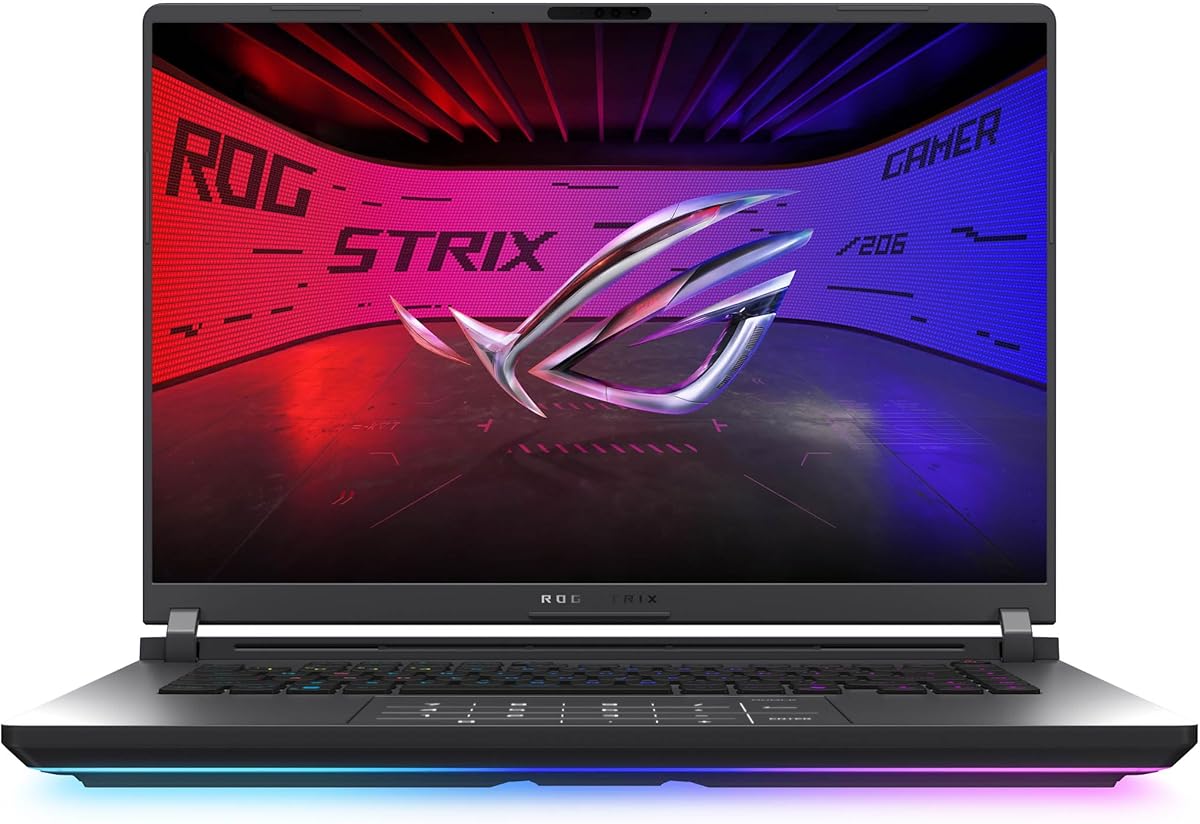
ASUS ROG Strix G16 Ultra
4.3Editor score
Intel Core Ultra 9 275HX
RTX 5070 Ti Graphics
240Hz ROG Nebula Display
Choosing the right laptop for flight simulators requires balancing raw processing power with display quality and thermal management. Modern simulation software demands high frame rates and detailed textures to render realistic environments without stuttering. Gamers need machines that can handle complex physics engines while maintaining stability during long training sessions or competitive events.
We evaluated top models based on CPU architecture, GPU capabilities, and screen refresh rates suitable for high fidelity simulation. Our analysis includes detailed comparisons of memory configurations and storage speeds to ensure quick loading of massive world data. Each device was scrutinized for build quality and port availability to support external flight control peripherals.
Every selection highlights unique strengths such as cooling efficiency or specific display technologies beneficial for immersive flying experiences. Readers will find options ranging from budget friendly entry points to high end workstations designed for professional training. Prices and availability fluctuate frequently so check current listings before making your final purchase decision.
4.3Editor score

4.4Editor score
4.0Editor score
As an Amazon Associate we earn from qualifying purchases.
The following table provides a side by side overview of key specifications across all ten selected devices to help you compare performance and features quickly.




This ASUS ROG Strix G16 stands out as a top contender for flight simulation enthusiasts due to its balanced performance profile. With a rating of 4.4 stars it delivers reliable power for demanding titles like Microsoft Flight Simulator and X-Plane. The combination of the Intel Core i7 14650HX and RTX 5060 ensures smooth frame rates even in complex scenes.
We may earn a commission when you buy through this link, at no additional cost to you.
The 165Hz display offers fluid visuals that reduce motion blur during high speed maneuvers or rapid altitude changes. Its ROG Intelligent Cooling system maintains stable performance during long sessions by utilizing vapor chamber technology. Additionally the 1TB Gen 4 SSD provides fast loading times for large scenery packs and detailed terrain data.
While the device is not the lightest option on the market it remains portable enough for home office setups. Battery life is modest under load which is typical for high performance gaming laptops of this class. Users should plan to keep it plugged in during critical simulation tasks to maintain peak speeds.
Sim pilots seeking a dependable machine for training or recreation will find this model highly recommended. The mix of raw power cooling efficiency and screen quality makes it an excellent choice for immersive flying. Its sturdy build and professional aesthetic also suit users who need a versatile machine for work and play.
The FHD+ display with 165Hz refresh rate ensures crisp rendering of terrain and skies. This reduces eye strain during long flights and provides clear visibility for instrument readings.
Advanced cooling keeps the system quiet and cool even under sustained workloads. This prevents throttling and maintains consistent frame rates during complex weather simulations.
We may earn a commission when you buy through this link, at no additional cost to you.
For those seeking maximum fidelity the ASUS ROG Strix G16 Ultra offers premium features tailored for high end simulation. Rated 4.3 stars it excels in handling complex physics and dense world rendering. The Intel Core Ultra 9 275HX processor provides exceptional multi core performance necessary for multitasking and simulation fidelity.
We may earn a commission when you buy through this link, at no additional cost to you.
The ROG Nebula display with 240Hz refresh rate delivers incredibly smooth motion which is vital for aerodynamic feedback. With 32GB of DDR5 memory users can run simulation software alongside streaming tools without slowdowns. The RTX 5070 Ti enables advanced ray tracing for realistic lighting and shadow effects during flights.
While performance is exceptional the thermal design does generate some noise under full load. The battery drains quickly when running intensive applications so it is best used as a desktop replacement. However the build quality justifies the investment for serious enthusiasts who demand top performance.
Professionals and serious hobbyists will appreciate the robust capabilities of this machine. It handles large scenery mods and high resolution textures with ease. The premium components ensure longevity and headroom for future software updates and more demanding simulation environments.
The 2.5K 240Hz screen offers vibrant colors and sharp details. This enhances the realism of clouds and terrain making the simulation feel more authentic.
The Core Ultra 9 processor handles complex calculations efficiently. This allows for higher settings in flight simulators without compromising smooth gameplay.
We may earn a commission when you buy through this link, at no additional cost to you.
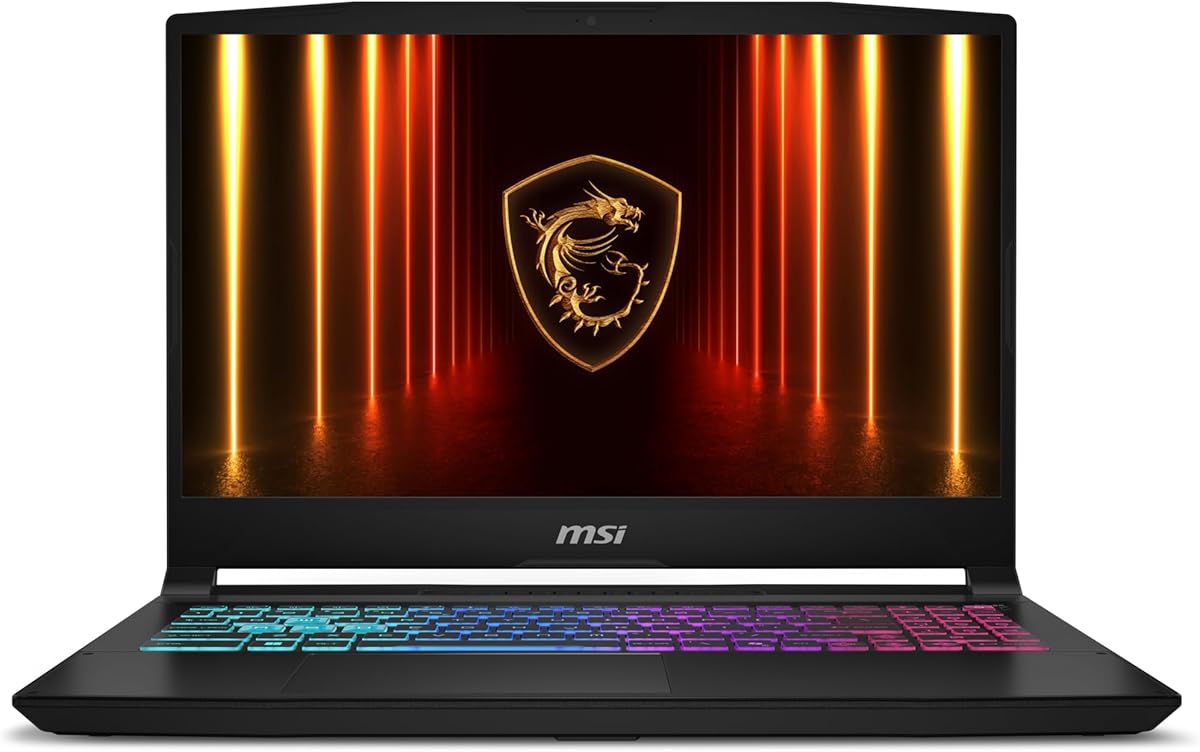
The msi Katana 15 HX delivers impressive performance for flight simulation at a competitive price point. With a 4.0 rating it balances high end specs with affordability. The Intel Core i9-14900HX provides 24 cores for fast processing and smooth multitasking during complex simulations.
We may earn a commission when you buy through this link, at no additional cost to you.
Its QHD+ display with 165Hz refresh rate offers detailed visuals for cockpit instruments and landscape details. The 32GB DDR5 memory ensures ample headroom for background apps and large scenery files. The RTX 5070 GPU supports advanced graphics settings for realistic weather and lighting effects.
Cooler Boost 5 technology maintains thermal stability but can be audible during intense sessions. The battery life is average which is typical for high performance gaming laptops. Users should expect to use it primarily while plugged in for optimal performance.
Pilots looking for strong performance without breaking the bank will find this model compelling. It handles demanding titles well and provides room for upgrades. The build quality is solid and the keyboard customization adds to the user experience.
The QHD+ screen offers sharper visuals than standard FHD. This improves clarity for reading instruments and recognizing distant landmarks.
The Core i9 processor ensures smooth simulation execution. It handles complex physics and weather calculations without lag.
We may earn a commission when you buy through this link, at no additional cost to you.
This NIMO laptop offers a spacious display and solid memory capacity suitable for entry level simulation. With a 4.2 rating it provides reliable performance for less demanding flight training scenarios. The 17.3 inch screen gives ample real estate for multitasking between maps and cockpit views.
We may earn a commission when you buy through this link, at no additional cost to you.
The Ryzen 5 6600H CPU handles everyday computing well but may struggle with the latest high fidelity simulators. However 32GB of DDR5 memory ensures smooth operation when running multiple applications. The 1TB SSD offers plenty of space for storing extensive flight data and scenery files.
Integrated Radeon graphics are capable for lighter tasks but may require lower settings in complex scenes. The laptop supports fast charging which is convenient for mobile use. The large display is beneficial for those who prefer visual clarity over raw frame rates.
Users on a budget seeking a large screen for navigation or planning will find this useful. It is best suited for basic flight training or non demanding titles. For serious simulation enthusiasts upgrading to a dedicated GPU model is recommended.
The 17.3 inch screen provides excellent view for multitasking. It allows side by side operation of charts and simulation software.
32GB DDR5 RAM ensures smooth multitasking. This supports running background applications alongside your flight simulator.
We may earn a commission when you buy through this link, at no additional cost to you.
REALFLIGHT Evolution offers a specialized experience for RC pilot training with comprehensive software and hardware. Rated 4.4 stars it provides a modern interface that simplifies setup and navigation. The included Interlink DX controller ensures precise control for realistic practice sessions.
We may earn a commission when you buy through this link, at no additional cost to you.
The software supports VR headsets for immersive viewing which enhances depth perception during maneuvers. With online multiplayer options pilots can fly together and share experiences globally. The aircraft selection includes various models from trainers to advanced EDF jets.
While excellent for RC training it does not replace full scale flight simulators like X-Plane. The focus remains on radio controlled aviation with realistic physics. Users seeking full scale cockpit training should consider other options for that specific need.
This package is ideal for hobbyists transitioning from real world RC to digital practice. The controller included makes it a complete solution out of the box. The multiplayer features add social engagement which keeps training sessions enjoyable and interactive.
The Interlink DX controller provides realistic tactile feedback. This helps build muscle memory for actual RC flying skills.
Online multiplayer enables collaborative flying. Pilots can learn from others and practice group maneuvers together.
We may earn a commission when you buy through this link, at no additional cost to you.
The Logitech G PRO Flight Yoke System delivers realistic control for serious simulation pilots. Rated 4.3 stars it features a robust stainless steel shaft for smooth and accurate inputs. The system includes a throttle quadrant for complete cockpit control.
We may earn a commission when you buy through this link, at no additional cost to you.
With 54 programmable controls users can map nearly every aircraft function to their fingertips. The desk clamp provides stable mounting which is essential for precise inputs during turbulent conditions. Compatibility extends across multiple flight simulation platforms for wide use.
Installation may require software downloads for full functionality but the setup process is straightforward. The physical size demands adequate desk space which might be a consideration for smaller setups. However the realism gained from authentic controls justifies the footprint for dedicated stations.
Pilots seeking immersive training will appreciate the authentic feel of the yoke and throttle. It builds muscle memory effectively and integrates well with modern simulators. This system is a great upgrade for users moving beyond basic keyboards or gamepads.
The stainless steel shaft ensures smooth movement. This mimics the feel of real aircraft controls for better training.
54 programmable buttons offer flexibility. Users can map complex functions for quick access during flights.
We may earn a commission when you buy through this link, at no additional cost to you.
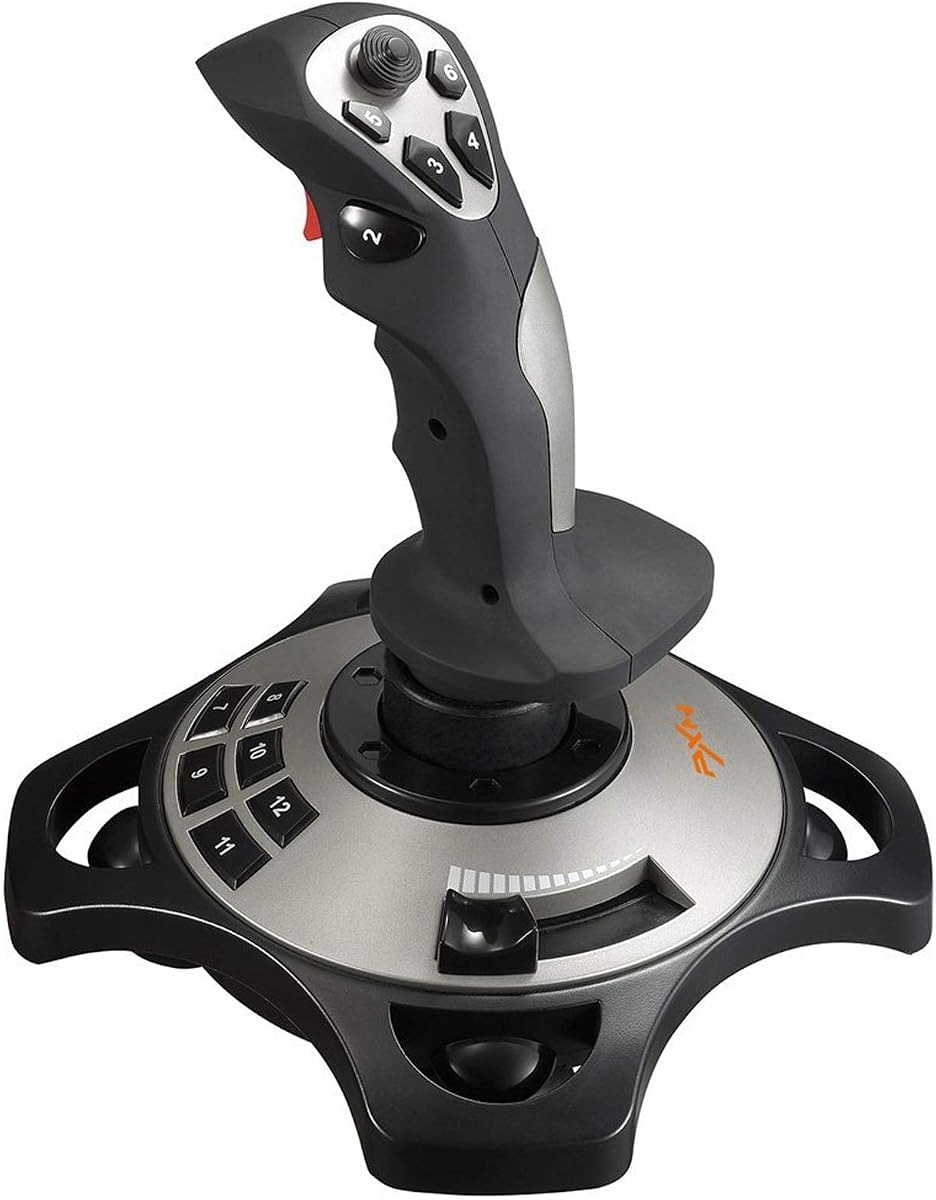
This Thrustmaster stick offers an affordable entry point for flight control without sacrificing essential features. Rated 4.2 stars it is designed for immediate use without driver installation. The ergonomic shape ensures comfort during long practice sessions.
We may earn a commission when you buy through this link, at no additional cost to you.
The adjustable resistance allows users to fine tune tension for different flying styles. This helps in managing sensitive inputs during landing or dogfight scenarios. The integrated throttle and rudder twist save desk space compared to separate units.
While durable for home use it may not withstand the same wear as premium models. The weighted base keeps the stick stable during aggressive maneuvers. This makes it a solid choice for casual pilots or training environments.
New pilots will find the controls intuitive and easy to map. It provides a significant upgrade over keyboard and mouse for simulation. The cost effective design makes it accessible for those testing their interest in flight simulation.
The USB plug and play design simplifies setup. Users can start flying immediately without technical hurdles.
Integrated throttle reduces desk clutter. This is ideal for setups with limited physical space.
We may earn a commission when you buy through this link, at no additional cost to you.
The PXN 2113PRO provides a cost effective option for those starting in flight simulation. Rated 3.6 stars it covers the basics required for most games. The vibration function adds tactile feedback which enhances immersion in combat scenarios.
We may earn a commission when you buy through this link, at no additional cost to you.
Setup is straightforward with driver installation if needed for custom mapping. The ergonomic design ensures it is comfortable to hold for extended periods. With 12 programmable buttons users can configure controls to suit their preferred layout.
Build quality is basic and may lack the durability of higher end options. It does not support Mac or console systems which limits versatility. For Windows users on a tight budget it serves as a functional entry controller.
Beginners testing the waters of simulation will find this adequate for casual use. It provides more realism than a standard mouse but requires patience to set up. Upgrading later is advisable for those pursuing professional level training.
Vibration adds tactile sensation during flights. This helps in feeling turbulence and structural stress.
Comfortable design reduces hand fatigue. This allows for longer simulation sessions without discomfort.
We may earn a commission when you buy through this link, at no additional cost to you.
The TFRP Precision Rudder Pedals offer essential foot control for serious flight simulation. Rated 4.4 stars they deliver a self-centering axis for accurate inputs. The S.M.A.R.T. rail system ensures smooth and friction-free motion.
We may earn a commission when you buy through this link, at no additional cost to you.
These pedals are compatible with PC and consoles which increases versatility. The adjustable travel range helps customize the feel to user preference. Sturdy construction maintains stability even during aggressive rudder inputs.
Mounting requires a secure desk which might be challenging for lightweight furniture. The overall size can be substantial but adds to the realistic cockpit feel. They are essential for users aiming for precision training.
Pilots training for real world skills will benefit from the accurate control. They complement yoke systems perfectly to complete the cockpit setup. The cross-platform support makes them a long term investment for various systems.
The S.M.A.R.T. rail system reduces friction. This ensures precise and consistent control inputs.
Self-centering axis aids in maintaining direction. This helps in coordinated flight maneuvers.
We may earn a commission when you buy through this link, at no additional cost to you.
Microsoft Flight Simulator 2004 remains a classic choice for purists seeking traditional flight physics. Rated 4.4 stars it offers a dynamic weather system that reacts to atmospheric changes. The worldwide scenery provides accurate terrain for navigation.
We may earn a commission when you buy through this link, at no additional cost to you.
Interactive ATC adds realism by simulating ground and tower communications. Multi monitor support allows for expansive cockpit views. This version is optimized for older hardware but can still run on modern systems.
Graphics are dated compared to newer titles which may not appeal to all users. However the physics are highly regarded for training accuracy. It is a solid option for those focused on instrument training and navigation.
Veteran pilots may appreciate the nostalgia and simplicity of the interface. It runs efficiently without requiring high end hardware. While not the newest software it maintains a dedicated community for support and updates.
The physics engine is precise and reliable. This makes it suitable for realistic training scenarios.
Worldwide scenery offers recognizable landmarks. This helps in visual navigation during flights.
We may earn a commission when you buy through this link, at no additional cost to you.
Selecting the right device requires considering several key factors that directly impact simulation fidelity and performance.
Flight simulators rely heavily on CPU power to calculate physics and weather systems. Look for multi core processors like Intel Core i7 or AMD Ryzen 7 to ensure smooth multitasking and fast loading. High clock speeds help maintain consistent frame rates during complex maneuvers.
Prioritize high core count processors to handle complex calculations efficiently.
A dedicated GPU is essential for rendering detailed terrains and realistic lighting. NVIDIA RTX series cards are recommended for ray tracing capabilities. Higher VRAM ensures textures load smoothly without stuttering in high resolution.
Choose a GPU with ample VRAM to support high resolution textures.
A high refresh rate screen reduces motion blur during high speed flight. Look for displays with at least 144Hz refresh rate for fluid visuals. Color accuracy helps in reading instrument panels correctly.
Select a display with high refresh rates to minimize motion blur.
At least 16GB of RAM is required for smooth operation alongside background apps. SSD storage ensures quick loading of large world data files. Larger storage capacity allows for extensive scenery packs.
Ensure at least 16GB RAM and SSD storage for optimal performance.
Simulations can run for hours generating significant heat. Look for systems with robust cooling solutions like vapor chambers or multiple fans. Stable thermals prevent performance throttling during long sessions.
Verify the system has adequate cooling to sustain performance over time.
External controls like yokes and pedals require USB ports. Ensure sufficient ports are available for all peripherals. USB-C connectivity is beneficial for future upgrades.
Check for multiple USB ports to connect external flight controls.
A sturdy chassis ensures durability during transport or intense use. Look for quality hinges and keyboard durability. A solid build protects internal components from vibration.
Invest in a model with a sturdy build to ensure longevity.
Flight simulators demand significant power so battery life is often limited. Consider if the device will be used primarily plugged in. Longer life supports mobile use without immediate power constraints.
Expect limited battery life under heavy loads and plan accordingly.
Start by configuring your flight control peripherals within the simulation software settings. Map your yoke and rudder pedals to match actual cockpit functions for accurate training. Calibrate the axis to ensure smooth and linear input without dead zones.
Keep your laptop clean by regularly clearing dust from vents using compressed air. Ensure adequate airflow around the device to maintain optimal cooling. Use a cooling pad if operating in warm environments to prevent overheating.
Update graphics drivers and simulation software regularly to access performance improvements. Back up your flight data and custom scenery files to an external drive. This prevents loss of progress and ensures quick recovery after system changes.
You need a strong multi-core processor like an Intel Core i7 or i9 and a dedicated GPU like an NVIDIA RTX 5060 or higher. Aim for at least 16GB of RAM and a fast SSD to handle large world data without lag.
A refresh rate of 120Hz or higher helps reduce motion blur during fast maneuvers. This makes reading instruments easier and adds to the overall immersion of the simulation experience.
Yes you can use keyboard and mouse for basic training but external controls like a joystick or yoke are recommended for realistic training. They offer better precision and help build muscle memory for actual flying.
Ensure vents are clear of dust and use the laptop on a hard flat surface. Using a cooling pad can help dissipate heat effectively. Avoid covering the exhaust vents while in use.
At least 1TB is recommended since modern flight simulators and custom scenery packs take up significant space. SSD storage is critical for fast loading times and reducing wait periods during missions.
Windows 10 or 11 is standard for most flight simulation software. Ensure your drivers are up to date for optimal performance. Some platforms may require specific software configurations.
Flight sims rely on the CPU for physics and traffic calculations. A powerful multi-core processor ensures smooth frame rates and handles complex weather and traffic systems without stuttering during flight.
Yes gaming laptops are excellent because they offer high performance CPUs and GPUs in a portable form. Their cooling systems are designed to handle sustained loads which suits long simulation sessions well.
The ASUS ROG Strix G16 and msi Katana 15 HX offer the best balance of power and value for most enthusiasts. These models deliver the specs needed for smooth performance in modern flight simulation titles.
Prioritize display quality and thermal management when making your final decision. A stable machine ensures you can focus on learning rather than troubleshooting technical issues.
Always check the latest pricing and availability before purchasing to ensure you get the best value. These products change over time and current offers may vary significantly across retailers.