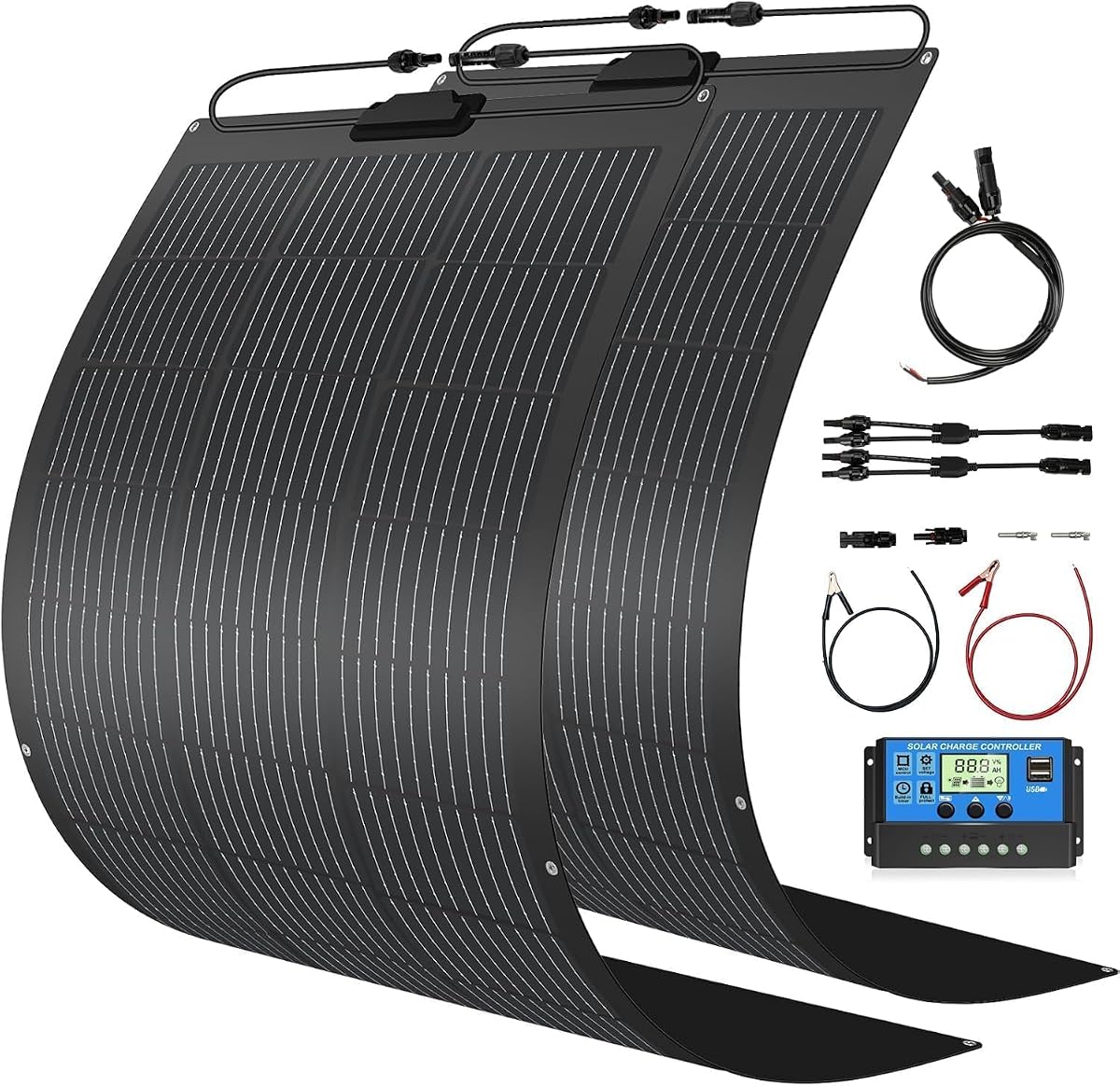
800W Solar Panel Kit, 2x400W Flexible Monocrystalline RV Solar Panel | for 12V/24V Battery | ETFE Semi-Flexible, Bendable to 30° | for RV, Boat, Van, Off-Grid Charging (Black 02)
5.0Editor score
ETFE coating
Ultra-lightweight
IP68 rated
This guide compares the top 800W solar panel kits for RVs, off-grid homes, and boats based on efficiency, durability, and total power output.
Finding the right 800W solar panel system can transform your off-grid energy independence. Whether you need power for an RV, a remote cabin, or a backup setup, these kits offer significant output to run essential appliances reliably.
We evaluated ten leading 800W solar panel options by analyzing their cell technology, durability features, and compatibility with various battery systems. Our comparison focuses on real-world performance metrics and installation ease for diverse user scenarios.
Each pick highlights specific strengths like bifacial efficiency or flexibility. Prices and availability change frequently, so verify current details before purchase to ensure you get the best value for your specific energy requirements.
5.0Editor score
4.1Editor score

4.3Editor score
This table breaks down key specs for all ten models to help you compare efficiency, weight, and included components side by side.


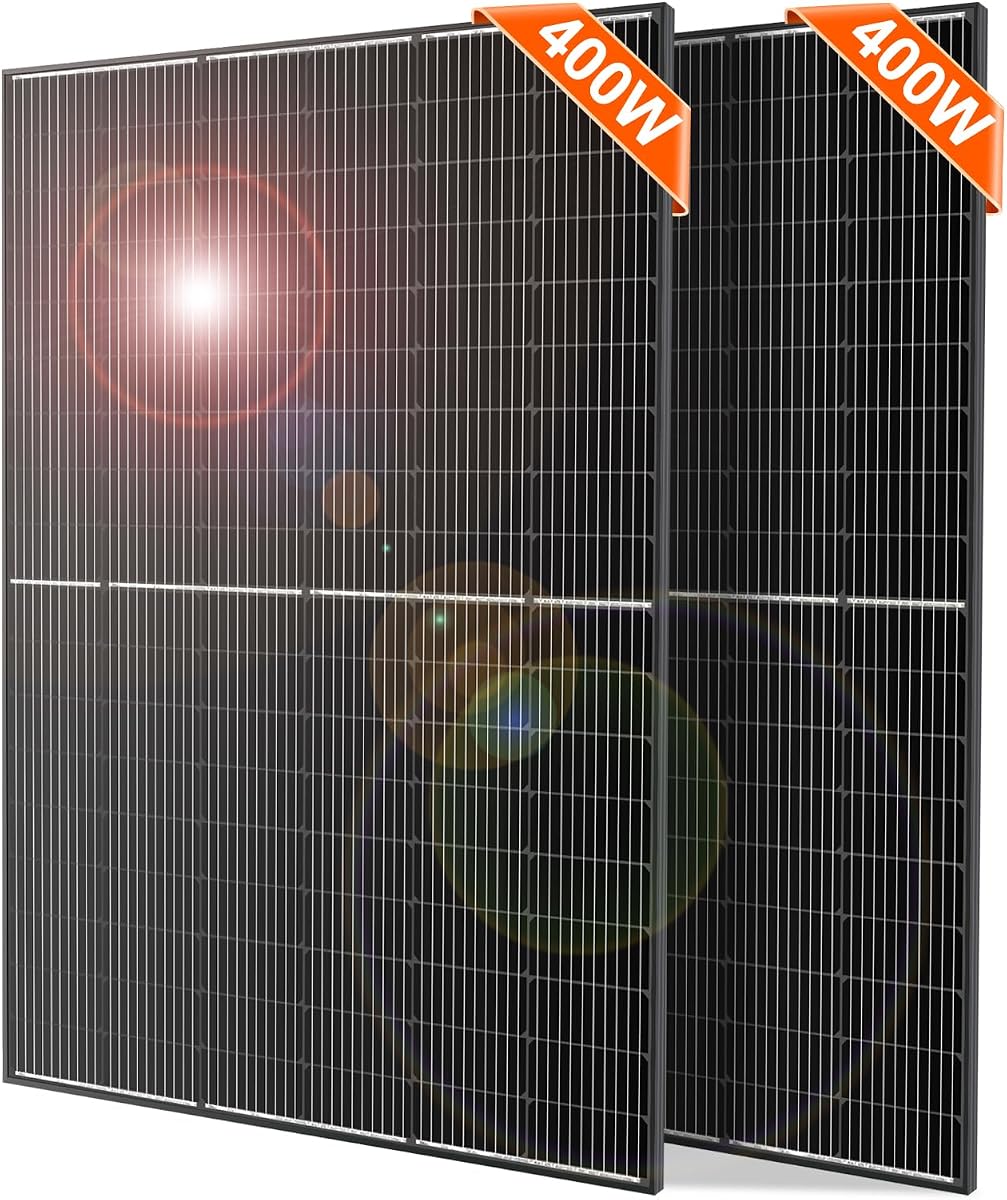
This DOKIO kit delivers a robust 800W output using two high-capacity panels designed for stability in off-grid environments. The setup emphasizes safety and simplicity by defaulting to parallel wiring for 12V systems, which keeps voltage steady.
We may earn a commission when you buy through this link, at no additional cost to you.
The panels feature tempered glass and aluminum frames that ensure longevity against weather. Long 3m MC4 leads reduce the need for immediate extensions, cutting down on potential failure points compared to kits with many small connectors.
While the rigid design requires secure mounting, it minimizes risks associated with flexing over time. The fewer connections mean less time spent wiring and a cleaner array that looks better on RVs or roofs.
Ideal for home or RV users seeking reliable power without complex setups, this kit balances performance and durability. It is a solid choice for those who want a straightforward path to significant solar generation.
Using two large panels instead of eight small ones significantly reduces the number of splitters and joints needed.
The sealed junction boxes and tempered glass construction ensure the system survives year-round exposure to the elements.
We may earn a commission when you buy through this link, at no additional cost to you.
This set mirrors the performance of the first option but is explicitly marketed for 24V off-grid systems, making it versatile for larger battery banks. The parallel-first approach ensures safe charging for 12V users while offering series options for those needing higher voltage.
We may earn a commission when you buy through this link, at no additional cost to you.
The hardware simplicity is a major selling point. By avoiding the complexity of eight smaller panels, you save time during installation and reduce the chance of connection failures due to weather or vibration over the years.
While it relies on an MPPT controller for best performance, the high power density ensures you get the most out of the sunlight available. The long leads make routing cables around your setup easier without needing extra wire.
This kit is perfect for homeowners or van-lifers upgrading from smaller systems to a robust 800W capacity. It provides a reliable foundation for powering larger appliances without excessive cabling work.
Supports AGM, Gel, and LiFePO4 batteries with both PWM and MPPT charge controllers for flexible integration.
Constructed with tempered glass and aluminum to withstand outdoor conditions without needing additional protection.
We may earn a commission when you buy through this link, at no additional cost to you.
Renogy brings premium N-Type technology to this 800W setup, featuring bifacial panels that harvest energy from both sides. This design can add up to 30% more energy in reflective environments like snowy roofs or sandy ground.
We may earn a commission when you buy through this link, at no additional cost to you.
The dual-module design protects against shade loss. If part of the panel is covered by a vent or branch, the other independent section continues to produce power, ensuring consistent daily output even in challenging conditions.
While the cost is higher than standard kits, the efficiency gains justify the investment for those with limited roof space or specific terrain needs. The N-Type cells also offer better performance in low-light conditions compared to older tech.
Choose this if you want top-tier efficiency and resilience against shade. It is an excellent choice for complex rooftop setups where maximizing every bit of sunlight is crucial for your energy goals.
Captures sunlight on the front and reflected light on the back to maximize harvest from the same footprint.
Independent power zones ensure that partial shade does not stop the entire panel from generating electricity.
We may earn a commission when you buy through this link, at no additional cost to you.
This flexible kit offers a lightweight solution for curved roofs on RVs and boats. The ETFE coating enhances UV resistance and provides better light transmission than traditional PET panels, ensuring you capture more power efficiently.
We may earn a commission when you buy through this link, at no additional cost to you.
Weighing only 4.4 lbs per panel, it reduces stress on your vehicle structure. The ability to bend up to 30 degrees means you can mount it directly onto curved surfaces without complicated brackets or drilling holes.
The waterproof IP68 rating ensures protection against rain and corrosion, which is vital for marine environments. While adhesive installation is convenient, it is important to follow instructions carefully to maintain a secure seal against the elements.
If you need a quick, clean install on a van or boat, this kit is an ideal budget choice. It balances cost with performance, making solar accessible for mobile users who prioritize weight and ease of setup.
Semi-flexible construction allows seamless conforming to curved roofs without the need for heavy metal mounting frames.
Salt spray proof and waterproof design ensures reliable operation in harsh marine and storm conditions.
We may earn a commission when you buy through this link, at no additional cost to you.
Designed for mobile adventures, this portable setup uses Sunpower cells to capture more sunlight quickly. The foldable design and kickstands make it simple to deploy in various camping sites without requiring roof mounts or complex tools.
We may earn a commission when you buy through this link, at no additional cost to you.
The ETFE material adds durability against impacts and weather, keeping the panels robust even when packed in gear. With adjustable angles, you can optimize the panel tilt throughout the day to maintain peak charging speeds.
Although the weight of 20 pounds is manageable, it is still significant for hiking. However, for RV camping where you park nearby, this balance of power and portability is excellent for keeping batteries topped up without a tow generator.
This kit is best for campers who move locations regularly. It provides a straightforward way to generate power away from campsites, ensuring your devices stay charged without relying on grid electricity.
Adjustable kickstands let you angle the panels at 30, 40, 50, or 80 degrees for maximum exposure.
Foldable structure allows easy storage in tight vehicle compartments while protecting the solar cells.
We may earn a commission when you buy through this link, at no additional cost to you.
This kit stands out by including a 30A MPPT charge controller, saving you the hassle of sourcing components separately. The N-Type technology aims to boost energy conversion, promising faster charging under full sunlight.
We may earn a commission when you buy through this link, at no additional cost to you.
Pre-drilled holes and MC4 connectors simplify the installation process significantly. However, user feedback suggests varying quality, so careful inspection upon delivery is crucial to ensure all components meet the expected standards.
The combination of high efficiency cells and the included controller makes it a practical plug-and-play solution. For users new to solar who want a complete package without multiple purchases, this offers a convenient entry point.
While the rating reflects some inconsistency, the specs indicate potential for strong performance. If you can verify the quality during setup, this kit provides a solid foundation for a 12V off-grid system.
Includes a 30A MPPT charge controller to manage power flow efficiently without extra costs.
10BB N-Type monocrystalline cells are designed to maximize energy savings and reduce consumption.
We may earn a commission when you buy through this link, at no additional cost to you.
Using advanced N-Type cells with 16BB half-cell technology, these panels excel in low-light conditions like mornings or cloudy days. The design minimizes internal power loss, ensuring stable output when full sun isn't available.
We may earn a commission when you buy through this link, at no additional cost to you.
The frame is built to withstand significant wind and snow loads, making it reliable for outdoor use in harsh climates. Pre-installed MC4 connectors and bypass diodes speed up installation and prevent hot spots during shading.
This option is ideal for users who need consistent power even when the weather is variable. The durable construction ensures that the system performs reliably over years of daily exposure to harsh environments.
If you live in a region with frequent cloud cover or heavy snow, these panels provide a robust solution. They deliver dependable power where other kits might fall short, keeping your system running longer.
Optimized cell design maintains power generation during mornings, evenings, and cloudy conditions better than standard panels.
Tempered glass and aluminum frame support heavy wind and snow loads for outdoor longevity.
We may earn a commission when you buy through this link, at no additional cost to you.
Tailored for irregular surfaces like boat decks, this flexible kit comes with a 40A charge controller to handle high current safely. The monocrystalline cells perform well in low light, offering good power even in cloudy or shaded spots.
We may earn a commission when you buy through this link, at no additional cost to you.
The waterproof junction box and sealed connections ensure resistance against moisture, which is critical for marine environments. Grommet mounting holes provide secure options for fastening the panels without permanent drilling.
While the flexible design is perfect for curved surfaces, the system requires careful maintenance to ensure seals remain intact over time. The high current capacity helps charge large battery banks quickly during sunny periods.
For yacht or boat owners seeking a flexible setup with robust charging capacity, this kit offers a practical solution. It balances marine needs with efficient power generation to keep batteries ready for navigation.
Flexible panels conform to curved boat surfaces without the need for rigid mounting frames.
The 40A solar charge controller manages the high current safely for large battery systems.
We may earn a commission when you buy through this link, at no additional cost to you.
This kit prioritizes ease of installation using silicone or adhesive tape, which removes the need for screws or heavy mounting hardware. The flexible panels are ideal for curved or irregular surfaces like camper tops or boat cabins.
We may earn a commission when you buy through this link, at no additional cost to you.
With a 40A controller included, it handles substantial power intake, suitable for charging large batteries in off-grid scenarios. The water-resistant design protects the junction box from rain and dust during outdoor use.
While the adhesive method is convenient, users should check the seal periodically to ensure it holds firm against wind. The lightweight nature makes it a good supplement for power shortages in remote areas.
Camping enthusiasts who need a quick setup on varied surfaces will find this useful. It simplifies the transition to solar power without requiring permanent alterations to your vehicle or structure.
Grommet holes or adhesive tape allow for versatile mounting without drilling permanent holes.
Sealed junction box and waterproof design protect against rain and dust for outdoor reliability.
We may earn a commission when you buy through this link, at no additional cost to you.
EPOCH offers a premium package with 430W Class A cells, delivering up to 25% efficiency and robust bifacial energy capture. The high tolerance for snow and wind loads ensures these panels can withstand heavy weather without damage.
We may earn a commission when you buy through this link, at no additional cost to you.
With a 12-year quality warranty and 25-year power output warranty, this kit provides long-term peace of mind. The EL testing ensures no microcracks exist at manufacture, guaranteeing the panels start in perfect condition.
The waterproof junction box and MC-4 connectors are rated for dirt and low-pressure water, making them suitable for various environments. Pre-drilled holes allow quick mounting on most standard brackets for RVs or cabins.
This is an excellent choice for those planning long-term use and wanting reliable support. The combination of high efficiency and solid warranty terms makes it a premium investment for off-grid energy systems.
The 12-year quality and 25-year power output warranties provide extensive protection for your investment.
Tolerates hail and snow loads up to 5400 Pa for reliable performance in harsh weather.
We may earn a commission when you buy through this link, at no additional cost to you.
Selecting the right solar kit involves more than just checking wattage. You need to consider efficiency, mounting style, and controller compatibility to ensure a reliable power source.
Modern panels often use N-Type or bifacial cells to boost efficiency above 20%. Higher efficiency means more power from the same space, which is vital for limited roofs or ground areas. Look for clear efficiency ratings to compare output potential.
Prioritize kits with high cell efficiency if you have limited mounting space to ensure you get the full 800W output.
Rigid panels with glass and aluminum frames offer durability but are heavy. Flexible panels are lightweight and can bend to fit curved roofs, making them ideal for RVs and boats but may have shorter lifespans. Choose based on your surface shape and structural limits.
Use rigid for flat roofs and flexible for curved surfaces or when weight is a major concern.
An 800W system typically needs an MPPT controller to handle high voltage and current efficiently. Ensure your controller supports the total voltage and current of your panel configuration to prevent overload. Check if the kit includes a controller or requires a separate purchase.
Always match your controller specs to your panel array to avoid safety issues and ensure maximum power extraction.
Solar panels face constant exposure to rain, wind, and UV light. Look for IP68 waterproof ratings and high wind load capacities to ensure the system survives storms. Tempered glass and sealed junction boxes add critical protection against the elements.
Select panels with strong environmental ratings to prevent water damage and ensure long-term reliability.
Kits often specify whether to wire panels in parallel or series. Parallel wiring is safer for 12V systems as it keeps voltage steady. Series wiring can increase voltage but requires compatible controllers to avoid system failure. Follow the manufacturer's wiring guide closely.
Stick to recommended wiring schemes to maintain safe voltage levels and protect your battery bank.
Consider how easy the panels are to install. Pre-drilled holes and included MC4 connectors simplify mounting. Some kits require adhesive while others use brackets. Factor in the time and tools needed to set up your system correctly.
Choose a setup that matches your DIY skills and available tools to avoid complicated installation hurdles.
A solid warranty reflects the manufacturer's confidence in their product. Look for at least a 10-year warranty on power output to ensure long-term value. Good customer support is also essential if you face issues during shipping or use.
Verify warranty terms and support quality before buying to protect your investment against defects.
Real-world output can vary based on sunlight intensity and temperature. Rated power is under ideal lab conditions. Expect slightly lower output in summer heat or cloudy weather. Plan for some buffer in your total wattage to meet daily energy needs.
Aim for a system that slightly exceeds your daily power needs to account for weather variations.
Start by installing the panels in a location with unobstructed sunlight for most of the day. Secure them firmly using the provided mounts or adhesive to prevent wind damage. Connect the MC4 cables carefully to the charge controller ensuring polarity is correct.
Regularly clean the panel surface with water and a soft cloth to remove dust or debris. Dirty panels can lose significant efficiency over time. Check all wiring connections every few months to ensure they remain tight and corrosion-free.
Monitor your battery levels and system performance regularly. If output drops unexpectedly, check for shade or panel damage. Adjust your tilt angle seasonally to keep the panels facing the sun directly for optimal charging.
Yes, you can use 800W panels with 12V batteries by wiring them in parallel. This keeps the voltage steady and safe for the battery bank. You will need a controller that supports the total current and voltage of your setup.
Yes, a charge controller is essential to regulate power and prevent battery overcharging. Most kits include one or recommend a specific MPPT model to handle the high wattage safely. Using no controller risks damaging your batteries.
Rigid panels use glass and aluminum for durability but are heavy. Flexible panels are lightweight and bendable for curved surfaces but may wear out faster. Choose based on your mounting surface and weight constraints.
Most quality panels last 25 years or more with proper care. Rigid panels tend to have longer lifespans than flexible ones due to durable materials. Regular cleaning and inspection help extend their useful life.
Yes, panels generate power in cloudy weather but at reduced efficiency. N-Type or high-efficiency cells perform better in low light. You may see 10-25% of rated output depending on cloud density.
An inverter is needed if you want to run standard AC appliances. It converts DC power from batteries to AC. For DC devices like lights, you may not need one. Check your appliance requirements before purchasing.
Two 400W panels typically take up about 20 to 25 square feet. This varies by model and frame size. Measure your available area carefully to ensure a clean fit before installation.
Yes, you can add more panels if your controller and battery bank support it. Ensure new panels match the voltage and type of your existing setup. Plan your controller capacity beforehand to allow for future growth.
The top picks in this guide offer distinct advantages for different needs. From the durable DOKIO kits to the high-efficiency Renogy panels, there is a solution for almost every off-grid application.
Prioritize efficiency and durability if you plan to use the system daily. Flexible options are great for weight savings but may require more maintenance over time.
Prices and availability can change, so check current listings to ensure you get the best value. Verify your controller compatibility and installation requirements before finalizing your purchase.