This guide compares the top 10 AM Radio Antenna options for indoor and outdoor use to help you choose the right model for stable reception and clear audio
As an Amazon Associate we earn from qualifying purchases. We may earn a commission when you buy through links on this page, at no additional cost to you. Read our affiliate disclosure.As an Amazon Associate we earn from qualifying purchases.Purchases through our links may earn us a commission, at no extra cost to you. Read our affiliate disclosure.
Finding the right AM Radio Antenna can transform your listening experience by reducing static and improving signal clarity. Whether you are using a vintage tuner or a modern stereo system, the right antenna makes a significant difference in broadcast quality.
We evaluated ten highly rated models based on their design, compatibility, and real-world performance. Our comparison covers loop antennas, wired options, and amplified units to ensure you find a solution that fits your specific setup and listening needs.
Each product entry details key features, pros, and cons to help you make an informed decision. Prices and availability may change over time, so please verify the latest information on the retailer site before finalizing your purchase.
Top 3 Picks for Best AM Radio Antenna
Best Budget
Bingfu FM Radio Dipole Antenna 75 Ohm Indoor AM Loop Antenna for Pioneer Onkyo Yamaha Marantz Indoor Bluetooth Home Stereo Receiver AV Audio Video Home Theater Receiver Tuner
Antop High Gain Indoor Radio Antenna, Multi-Directional Amplified AM FM Antenna 50 Miles with Amplifier Signal Booster and 4G Filter for Stereo Radio Audio Signals, Perfect for Home/RV/Mobile Use
This side-by-side comparison highlights the key specifications and capabilities of each model to help you identify the best fit for your audio system and listening environment.
ProductsSpecificationsEditor scorePrice
1
Editor's Choice
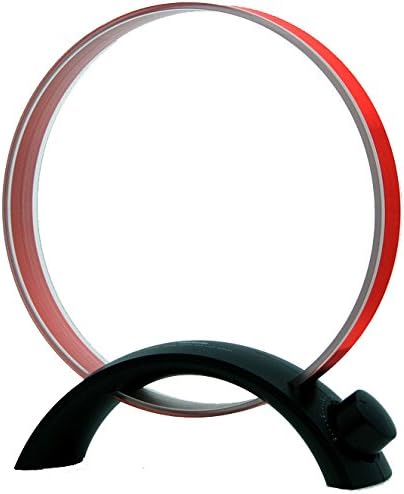
Tecsun AN-200 AM/MW Rotatable Tuneable Loop Gain Radio Antenna(No Battery Needed)
Bingfu FM Radio Dipole Antenna 75 Ohm Indoor AM Loop Antenna for Pioneer Onkyo Yamaha Marantz Indoor Bluetooth Home Stereo Receiver AV Audio Video Home Theater Receiver Tuner
Bingfu AM Loop Antenna with 2 Pin Bare Wire Compatible with Pioneer Onkyo Yamaha Marantz Pyle Indoor Radio Bluetooth Home Stereo Receiver AV Audio Video Home Theater Receiver Power System
Bingfu 75 Ohm FM Antenna and AM Loop Antenna for Pioneer Onkyo Yamaha Marantz Indoor HD Radio FM Radio Bluetooth Home Stereo Receiver AV Audio Video Home Theater Receiver Power
Antop High Gain Indoor Radio Antenna, Multi-Directional Amplified AM FM Antenna 50 Miles with Amplifier Signal Booster and 4G Filter for Stereo Radio Audio Signals, Perfect for Home/RV/Mobile Use
FM Radio Antenna 75 Ohm FM Antenna FM Coax Antenna and AM Loop Antenna with 3 Connectors for Indoor Home Stereo Receiver AV Audio Home Theater Receiver Power
Tecsun AN-200 AM/MW Rotatable Tuneable Loop Gain Radio Antenna(No Battery Needed)
Passive indoor design
530 to 1710 KHz
Frameless lightweight build
No external power
The Tecsun AN-200 stands out as a reliable passive antenna for those seeking to improve AM reception without complex setups. Its rating reflects strong user satisfaction with its ability to tune into clear broadcasts across the standard band.
Pros
Fully adjustable for fine tuning
Lightweight thin frameless design
Works without batteries
Simple indoor placement
Reduces static noise effectively
Cons
Requires careful positioning for best signal
Not amplified for weak areas
We may earn a commission when you buy through this link, at no additional cost to you.
This model features a fully adjustable loop that allows you to rotate it to find the optimal signal angle. The thin and frameless design ensures it blends into your home decor while remaining functional for tabletop or shelf placement.
While it does not require batteries, the passive nature means you must position it carefully to avoid interference from electronics. Users should expect to spend time adjusting the loop for the clearest audio on specific stations.
If you value simplicity and portability over high-gain amplification, this antenna is a solid choice. It is particularly well-suited for listeners in areas with decent broadcast coverage who want to eliminate static quickly.
Tunability and Adjustment
The rotatable tuning capability allows users to align the antenna with the signal source for reduced noise and better clarity.
Passive Convenience
Since it does not need a power source, setup is incredibly simple and free from ongoing battery costs or cord clutter.
Sutekus AN200 AM Loop Radio Antenna Tunable Indoor Antenna for Singal Enhancement
Passive antenna design
Includes 32 inch cable
Inductive coupling available
Large stable base
The Sutekus AN200 offers a versatile indoor solution that allows for both wired and wireless coupling methods. Its rating suggests users appreciate the flexibility it brings to improving AM signal strength in various home environments.
Pros
Large base for flat placement
Small radios fit inside loop
Includes connecting cable
No batteries required
Fully adjustable for tuning
Cons
Inductive coupling may be finicky
Not suitable for all radio types
We may earn a commission when you buy through this link, at no additional cost to you.
A key feature is the large base that keeps the loop stable on flat surfaces. Additionally, smaller radios can be placed inside the loop to utilize inductive coupling, which can significantly boost reception without direct cable connection.
While the included cable allows for direct connection, the wireless option is convenient for users who lack an AM input on their receiver. However, inductive coupling requires precise placement to ensure the signal is effectively transferred to the radio.
This antenna is ideal for hobbyists who want to experiment with different reception methods. It provides a cost-effective way to enhance audio quality, especially when used with portable radios or desktop units.
Stable Base Design
The large base ensures the loop remains upright and stable, preventing accidental toppling while you adjust the signal.
Inductive Coupling
Placing the radio inside the loop creates an inductive link that improves signal without needing physical wires or adapters.
AM Loop Antenna 2 Pin Bare Wire Antenna for Indoor Radio Bluetooth Home Stereo Receiver AV AudioTheater
75 Ohm impedance
2 Pin Tin-Plating
Twin Lead Bare Wire
Compatible with stereo
This bare wire antenna provides a straightforward way to upgrade the AM signal on home stereo and AV systems. Its design focuses on compatibility with standard receivers that feature dedicated AM antenna inputs.
Pros
Simple two-pin connector
Compatible with most receivers
Stable signal improvement
Easy to connect wire
Affordable option available
Cons
Requires manual connection
Less flexible than loop units
We may earn a commission when you buy through this link, at no additional cost to you.
The twin lead bare wire with tin-plating pins ensures a secure connection to the antenna jack. Users report that connecting this wire helps stabilize the signal and reduces the static that often plagues built-in radio antennas.
Installation involves stripping or connecting the wire directly to the receiver terminals. While it lacks the adjustability of a loop, it delivers consistent performance once properly installed and tuned by the user.
For those with dedicated audio systems rather than portable radios, this is a practical and low-cost upgrade. It is best suited for setups where a permanent solution is preferred over a movable loop.
Twin Lead Wire
The twin lead bare wire design ensures a direct path for the radio signal to the receiver terminal.
Receiver Compatibility
Designed to work with most home theater and audio receivers that include a standard AM antenna port.
Bingfu FM Radio Dipole Antenna 75 Ohm Indoor AM Loop Antenna for Pioneer Onkyo Yamaha Marantz Indoor Bluetooth Home Stereo Receiver AV Audio Video Home Theater Receiver Tuner
FM and AM support
75 Ohm impedance
Fits many brands
Includes 12 month warranty
The Bingfu FM Radio Dipole Antenna offers a convenient bundle for users needing both FM and AM reception. Its high rating indicates strong approval for its ease of use and broad compatibility with popular receiver brands.
Pros
Dual FM and AM utility
Easy plug-in installation
Wide brand compatibility
Reliable after-sale service
Compact indoor design
Cons
Basic signal strength
May need repositioning
We may earn a commission when you buy through this link, at no additional cost to you.
You can simply plug this antenna into the port on the back of your stereo receiver. This straightforward setup improves reception without requiring complex wiring or additional tools, making it accessible for everyone.
While it is a budget-friendly option, it delivers consistent results for most indoor environments. The included warranty provides peace of mind, though you may need to adjust the antenna position to minimize interference.
This antenna is an excellent choice for general home use where simplicity and value are key. It works well with modern receivers that prioritize Bluetooth and HD Radio features while maintaining analog connectivity.
Plug-and-Play Setup
The design allows for instant connection to standard antenna ports, reducing setup time significantly.
Brand Versatility
Compatible with a wide range of receiver brands, ensuring it fits your existing audio equipment easily.
Bingfu AM Loop Antenna with 2 Pin Bare Wire Compatible with Pioneer Onkyo Yamaha Marantz Pyle Indoor Radio Bluetooth Home Stereo Receiver AV Audio Video Home Theater Receiver Power System
2 Pin bare wire
Improves AM signal
Compatible with stereo
Simple setup process
This model by Bingfu is designed specifically to enhance AM reception on home stereo systems. Its rating reflects positive user feedback regarding its ability to provide more stable signals across various listening positions.
Pros
Improves AM signal quality
Simple connection to jack
Compatible with many systems
Better audio solution
Easy to use
Cons
Basic construction materials
Short wire length
We may earn a commission when you buy through this link, at no additional cost to you.
The two-pin tin-plating bare wire allows for a secure connection to the AM antenna jack on most receivers. Once connected, users notice a distinct improvement in signal stability and station clarity compared to internal antennas.
While it is a basic model, it serves the fundamental purpose of delivering clear audio without complicating your setup. It is a straightforward addition that addresses common reception issues effectively for most households.
For stereo enthusiasts looking for a simple upgrade, this antenna offers reliable performance at an accessible entry point. It is a practical choice for improving audio quality without the need for powered components.
Signal Stability
The antenna helps stabilize AM signals to reduce dropouts and static in noisy listening environments.
Secure Connection
The bare wire pins ensure a firm connection to the receiver terminals to prevent signal loss.
Kaito AN-100 Tunable Passive AM Radio Loop Antenna for All Brands Like Kaito,Sony,Panasonic,Grundig and More
Tuning dial included
Wireless use option
Light and compact
1-year manufacturer warranty
The Kaito AN-100 is a well-regarded loop antenna known for its adaptability with various radio brands. Users appreciate its tuning dial which helps in fine-tuning the signal for each station to achieve maximum clarity.
Pros
Tuning dial for precision
Wireless capability
Compact and light design
Broad brand compatibility
Warranty support
Cons
Wireless option may vary
Indoor use only
We may earn a commission when you buy through this link, at no additional cost to you.
Its compact and light design makes it easy to place on a desk or shelf. The option to use it wirelessly is beneficial for radios that lack a dedicated antenna input, allowing for flexible placement in the room.
While it requires a passive setup without batteries, the tuning dial gives you control over reception. This level of control is appreciated by users who want to optimize performance in areas with weak signals.
This antenna is suitable for anyone who values portability and precise tuning. It is an excellent companion for vintage and portable radios where signal strength is often a challenge.
Tuning Dial Utility
The tuning dial allows for precise adjustments to align the antenna with the broadcast frequency.
Wireless Compatibility
It supports wireless coupling for radios without inputs, expanding its usefulness to more devices.
Bingfu 75 Ohm FM Antenna and AM Loop Antenna for Pioneer Onkyo Yamaha Marantz Indoor HD Radio FM Radio Bluetooth Home Stereo Receiver AV Audio Video Home Theater Receiver Power
UNBAL FM Antenna
GND AM Loop
2 Pin Bare Wire
Fits F Type socket
This dual-purpose antenna delivers both FM and AM reception improvements for modern home theater systems. Its high rating suggests users are satisfied with its ability to improve stereo reception across different receiver brands.
Pros
Dual band capability
F Type socket fit
Easy installation process
Improves stereo reception
Compatible with many systems
Cons
Requires specific socket match
Basic aesthetic design
We may earn a commission when you buy through this link, at no additional cost to you.
The design includes a UNBAL FM antenna with an F Type connector and a GND AM loop with bare wire. This combination ensures that you can connect both bands effectively to your stereo or home theater receiver.
It is important to verify your socket type before purchasing to ensure compatibility. Once installed, it provides a stable connection that helps eliminate static and ensures a clearer audio experience.
For those with mixed audio systems needing both FM and AM inputs, this bundle is practical. It offers a reliable solution for boosting radio quality without the need for separate purchases.
Dual Band Utility
Provides both FM and AM support to streamline your setup and reduce cable clutter.
Secure Connectors
F Type and bare wire connectors ensure a solid connection to standard receiver ports.
Antop High Gain Indoor Radio Antenna, Multi-Directional Amplified AM FM Antenna 50 Miles with Amplifier Signal Booster and 4G Filter for Stereo Radio Audio Signals, Perfect for Home/RV/Mobile Use
High gain amplifier
Multi-directional signal
Includes 4G filter
Compact bow design
The Antop High Gain Indoor Radio Antenna stands out for its amplified capabilities which boost signal strength for clearer reception. While its rating is slightly lower, users often value the added power for distant stations.
Pros
Amplified signal booster
Multi-directional reception
Includes 4G filter
Compact indoor design
Easy seconds install
Cons
Amplifier may introduce noise
Requires power source
We may earn a commission when you buy through this link, at no additional cost to you.
Equipped with a Smartpass Amplifier, this antenna improves strength and clarity. It is multi-directional and can help reduce blind spots, making it versatile for different locations within a home or vehicle.
The amplifier does require power which adds a step to the setup. However, the inclusion of a 4G filter helps prevent cellular interference that can degrade radio quality in modern environments.
This is a premium choice for users struggling with weak signals in remote areas. If you need a stronger signal and have access to power, this model provides a significant upgrade over passive options.
Signal Amplification
The amplifier boosts weak signals to reach stations that might otherwise be lost in static.
4G Filtering
The included filter reduces cellular interference which is common in areas with high mobile data traffic.
FM Radio Antenna 75 Ohm FM Antenna FM Coax Antenna and AM Loop Antenna with 3 Connectors for Indoor Home Stereo Receiver AV Audio Home Theater Receiver Power
75 Ohm impedance
F-Type Male Plug
4.9ft length cable
Includes bare wire
This antenna kit offers both coax FM and loop AM components to suit different receiver needs. Its design focuses on providing a complete solution that can be easily installed on home and garage stereo systems.
Pros
Portable and compact
4.9ft cable length
Wide application range
Easy to install
Stable AM signal
Cons
Cable length limits placement
Basic build materials
We may earn a commission when you buy through this link, at no additional cost to you.
The 4.9ft coax cable ensures flexibility in positioning your FM antenna. Meanwhile, the AM loop includes bare wire for a secure connection to the receiver terminals ensuring stable audio output.
It is a portable design that works well in various indoor settings. While it may not offer high gain, it provides a consistent improvement over built-in antennas in typical home environments.
For general audio enthusiasts needing a reliable connection for both bands, this is a practical option. It supports better station reception and is easy to set up in most standard audio systems.
Cable Length Utility
The 4.9ft cable allows you to place the antenna in an optimal spot away from interference.
Dual Connector Support
Includes both F-type and bare wire connectors to adapt to different antenna inputs.
SaferCCTV AN-200 Indoor Loop Antenna Compatible with Kaito 1103, Shack DX-399, Grundig G8, Compatible with Sangean ATS-818, AM Reception, Compatible with Zenith Console
520 to 1710 KHz
Lightweight setup
Built-in output socket
3.5mm plug included
This loop antenna is tailored for enthusiasts of vintage and portable radios like Kaito and Sangean. Its rating shows it is appreciated for its compatibility with classic models that benefit from external antennas.
Pros
Wide frequency coverage
Compatible with vintage models
Easy to set up
Filter out noise
External wave input
Cons
Requires specific tuning
Output socket variation
We may earn a commission when you buy through this link, at no additional cost to you.
The adjustable working frequency coverage ensures it supports most AM broadcast bands. It includes a built-in output socket which connects to the external Medium Wave antenna input on supported radios.
Setup is straightforward as you simply place your radio next to the antenna and tune. It filters out noise and interference to help you get more stable AM signals for clearer listening.
If you own a classic console or portable radio this antenna will enhance its performance. It is a specialized tool that delivers results for those invested in vintage radio hardware.
Vintage Compatibility
Designed to work seamlessly with popular vintage radios that support external antenna inputs.
Frequency Range
Covers 520 to 1710 KHz to ensure you can tune into most standard AM stations effectively.
We may earn a commission when you buy through this link, at no additional cost to you.
Buying Guide – How to Choose the Best AM Radio Antenna
Selecting the right antenna depends on your equipment type and reception needs. This guide covers the essential factors to consider before making a purchase.
Passive vs. Active Design
Passive antennas do not require power and are ideal for stable environments. Active antennas use amplifiers to boost weak signals but need electricity and may introduce noise.
Choose passive for simplicity and active for remote locations with weak coverage.
Connectivity Options
Check your receiver for AM input ports like bare wire or F-type connectors. Some loop antennas offer inductive coupling for radios without physical inputs.
Ensure the connector matches your device to avoid needing additional adapters.
Frequency Coverage
Most antennas cover the standard AM broadcast band from 530 to 1710 KHz. Verify the coverage to ensure it supports your local stations.
Select a model with broad coverage to accommodate future frequency changes.
Indoor vs. Outdoor Placement
Indoor antennas are designed for tabletop or shelf use. Outdoor units are weatherproof and offer stronger signal capture but require installation.
Start with indoor placement and upgrade to outdoor only if reception is poor.
Build Quality
Look for durable frames and secure connectors to ensure longevity. Lightweight models are easier to adjust and reposition for optimal reception.
Prioritize robust construction to avoid wear and tear over time.
Amplification Needs
If you live far from broadcast towers, an amplified antenna may be necessary. However, amplifiers can sometimes increase noise if not used correctly.
Use amplification only when standard antennas fail to provide clear audio.
Compatibility with Brands
Some antennas are optimized for specific brands like Kaito or Sangean. Ensure the model supports your radio brand for best performance.
Check the compatibility list to confirm support for your specific device.
Installation Ease
Simple plug-in setups save time and frustration. Look for antennas with clear instructions and included cables.
Choose user-friendly options if you are not comfortable with technical wiring.
How to Use and Care for Your AM Radio Antenna
Position the antenna on a flat surface near your radio and away from electronics like routers to reduce interference. Rotate the loop slowly while tuning to find the clearest signal.
For wired models connect the bare wire or F-type plug securely to the receiver terminals. Ensure the connection is tight to avoid signal loss or static.
Clean the antenna gently with a dry cloth to remove dust. Avoid bending or stretching the wire and check connectors periodically for corrosion or wear.
Frequently Asked Questions
What is the difference between a loop antenna and a wire antenna?
A loop antenna uses a circular conductor to pick up signals and is often used indoors. A wire antenna uses a straight conductor and connects directly to the receiver terminal. Loops are better for tuning while wires are simpler for fixed systems.
Do I need an amplifier for my AM antenna?
Not always. Amplifiers are useful in areas with weak signals but can introduce noise if your signal is already strong. Start with a passive antenna before considering an amplified model.
How do I connect a bare wire antenna to my receiver?
Connect the bare wire terminals to the AM input pins on your receiver. If your radio uses screws tighten them firmly. Ensure no bare wire touches other metal parts to prevent short circuits.
Can I use an AM antenna outdoors?
Most indoor antennas are not weatherproof. For outdoor use choose a dedicated outdoor model that is built to withstand rain and UV exposure to prevent damage.
Why is my radio signal still weak after installing an antenna?
Weak signal can be due to interference from electronics or poor placement. Try rotating the antenna and moving it away from devices like computers or routers to improve clarity.
What frequency range should I look for in an AM antenna?
Standard AM broadcast bands range from 530 to 1710 KHz. Ensure your antenna supports this range to cover all local stations effectively. Some models extend to 1620 KHz for additional channels.
How long do AM antennas typically last?
Passive antennas can last many years if kept dry and handled carefully. Avoid bending wires sharply and check connectors regularly. Proper maintenance ensures long-term reliability without degradation.
Is inductive coupling better than wire connection?
Inductive coupling is convenient for radios without inputs but may offer less stability than wire connections. Wire connections provide a direct path for signals and are preferred for dedicated audio systems.
Final Thoughts on Choosing the Best AM Radio Antenna
We have reviewed ten top models ranging from simple loops to amplified solutions. Each offers unique benefits depending on your equipment and listening environment.
Prioritize compatibility and ease of setup to ensure a smooth experience. Select a design that fits your space and delivers stable audio without complex wiring.
Prices and availability may change over time so verify the latest information on the retailer site before purchasing to get the best deal available.