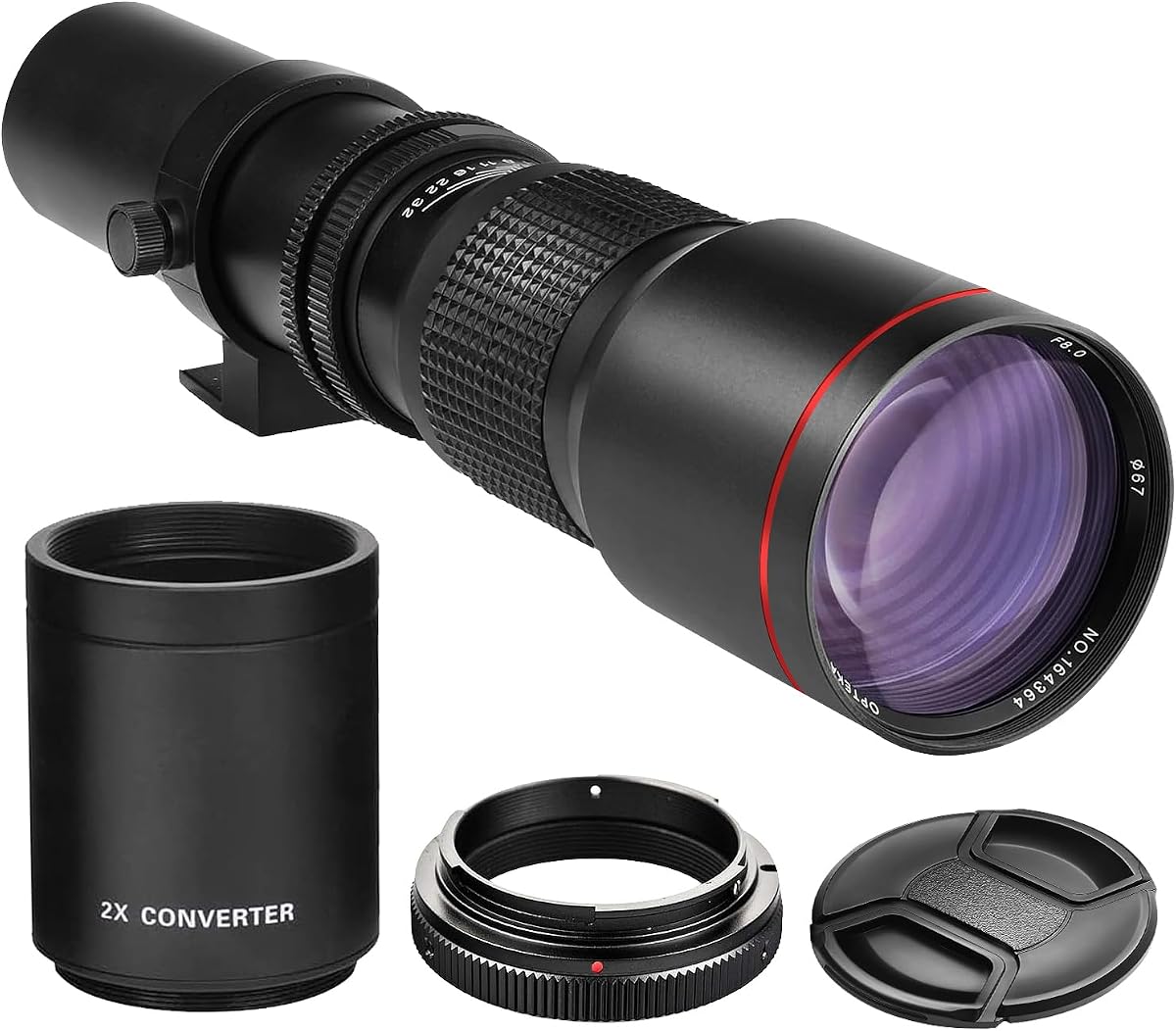
High-Power 500mm/1000mm f/8 Manual Telephoto Lens
4.0Editor score
500mm to 1000mm reach
Manual focus and aperture
Compatible with Canon DSLRs
This guide compares the top ten camera lenses for long distance wildlife photography featuring telephoto zooms and stabilization for sharp animal shots.
Capturing wildlife from a safe distance requires powerful optics that bring subjects closer without disturbing them. A good telephoto lens offers the reach and clarity needed for detailed animal photography in natural habitats.
We evaluated ten top-rated lenses based on focal range, image stabilization, autofocus speed, and build quality. Each option serves different needs from budget conscious beginners to professional photographers seeking maximum reach.
Each pick highlights key strengths and ideal use cases to help you choose the right glass for your adventure. Remember that availability and costs may vary so check current listings before purchasing your next lens.
4.0Editor score
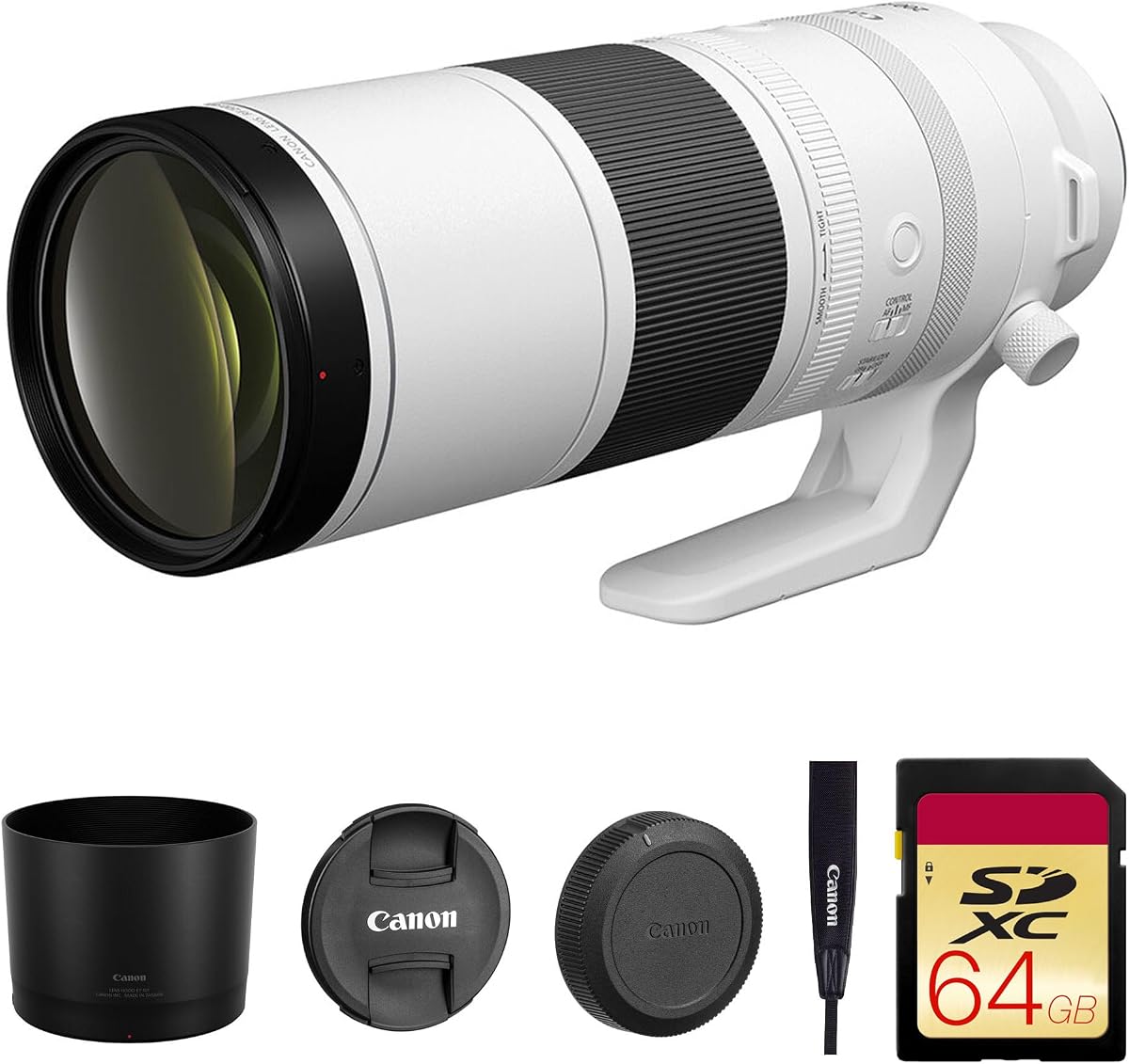
4.7Editor score
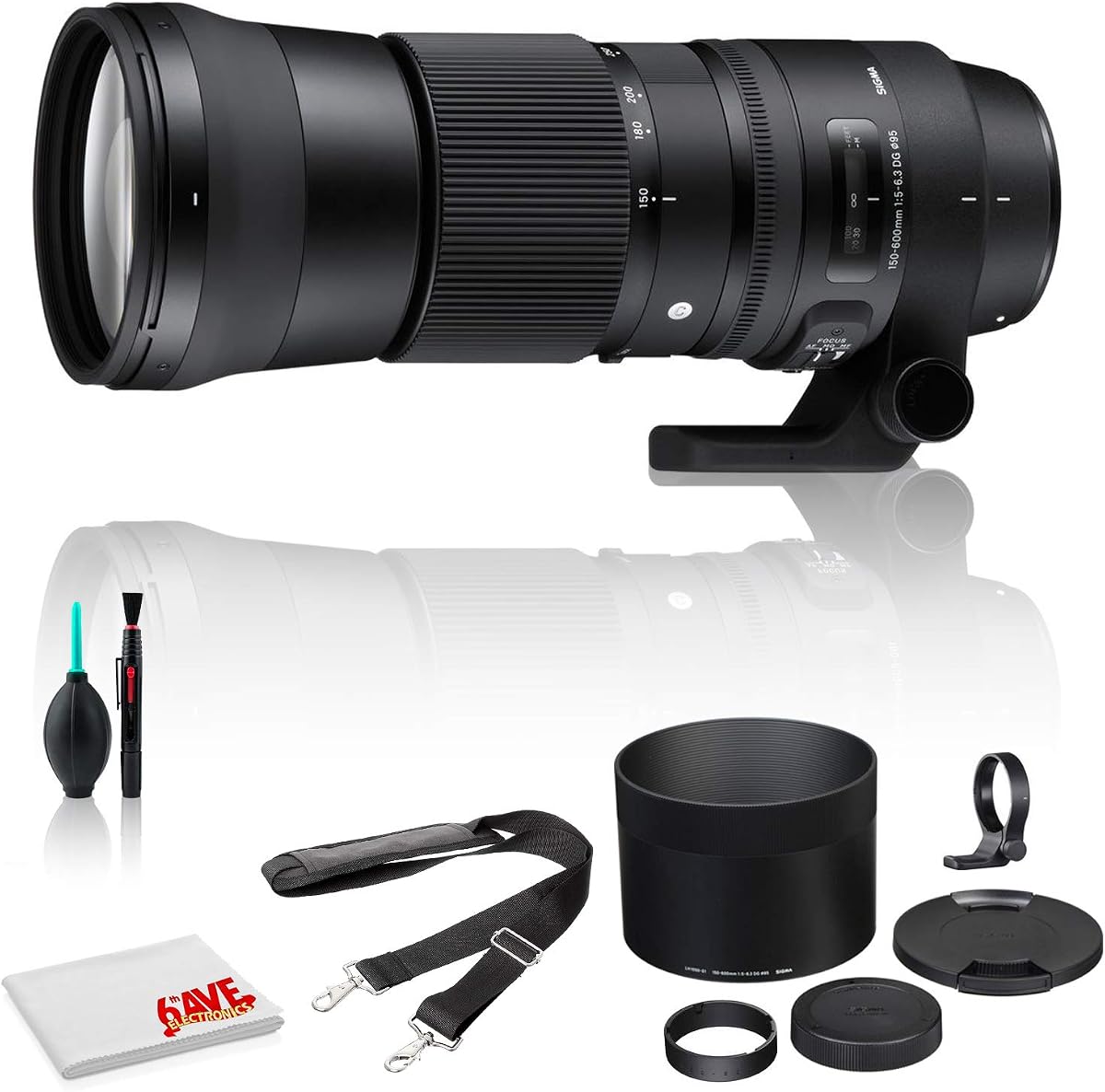
4.5Editor score
The following table provides a side-by-side overview of all ten lenses evaluated in this guide to help you compare key specifications and features at a glance.


This Canon RF lens stands out as the top choice for wildlife photographers needing extreme reach without compromising on stability. With a rating of 4.7 it delivers exceptional performance from 200mm to 800mm making it ideal for capturing distant animals.
We may earn a commission when you buy through this link, at no additional cost to you.
The built-in image stabilization ensures shake-free results even when shooting handheld at full zoom. Its fast USM autofocus system locks onto moving subjects quickly and quietly which is crucial for not disturbing wildlife in their natural habitat.
Despite its impressive reach the lens remains surprisingly compact and easy to handle compared to traditional super-telephoto options. This makes it a great travel companion for outdoor adventures where mobility and weight are key considerations for long hikes.
Professional photographers and serious enthusiasts should buy this lens for its unmatched versatility and optical quality. It is the final recommendation for anyone seeking a high-end solution for birding nature and extreme sports photography.
The integrated image stabilization allows you to shoot at slower shutter speeds without blur ensuring crisp images even in lower light conditions.
Canon's advanced USM autofocus delivers sharp focus quickly and silently which is essential for capturing fast-moving wildlife without startling them.
We may earn a commission when you buy through this link, at no additional cost to you.
This lens offers a powerful zoom range from 200mm to 800mm designed specifically for mirrorless systems. Its rating of 4.6 reflects its ability to deliver high-quality images while maintaining a compact form factor that is easy to carry.
We may earn a commission when you buy through this link, at no additional cost to you.
The optimized optical design takes advantage of the RF mount to maintain sharpness and contrast throughout the entire zoom range. It is also compatible with RF 1.4x and 2x extenders giving you even more reach when needed for distant subjects.
While it is lightweight and compact for a super-telephoto lens you should be aware that it requires an RF mount camera to function. This limits compatibility to Canon's newer mirrorless lineup compared to older DSLR options.
Photographers with RF cameras looking for maximum reach in a manageable package will find this lens highly rewarding. It is perfect for wildlife sports and outdoor activities where mobility is as important as optical performance.
As the worlds first of its kind this lens combines autofocus convenience with extreme telephoto reach for mirrorless users.
Compatibility with RF extenders allows you to extend the focal length beyond 800mm for even closer shots of elusive wildlife.
We may earn a commission when you buy through this link, at no additional cost to you.
Sigma delivers premium performance with this 150-600mm lens designed for Canon EF mount cameras. It earned a strong 4.5 rating due to its excellent optical quality and reliable autofocus performance which are critical for wildlife photography.
We may earn a commission when you buy through this link, at no additional cost to you.
The lens features one FLD and three SLD elements to minimize aberrations and ensure sharp images across the zoom range. The optical stabilizer with accelerometer helps reduce shake while the Hyper Sonic Motor provides quick and quiet focusing.
It does tend to be slightly heavier than some compact alternatives which might be a consideration for long hikes. However the build quality and optical performance justify the extra weight for serious photographers seeking top-tier results.
This lens is an excellent choice for Canon DSLR users who want professional-grade quality without breaking the bank. The included cleaning kit adds value making it a complete package for wildlife and nature enthusiasts.
The inclusion of FLD and SLD elements ensures high clarity and color fidelity throughout the zoom range.
The optical stabilizer with accelerometer provides effective shake reduction for sharper handheld shots in various conditions.
We may earn a commission when you buy through this link, at no additional cost to you.
This manual telephoto lens offers incredible reach at a budget-friendly price making it accessible for beginners or hobbyists. It has a rating of 4.0 which reflects its value proposition despite the lack of autofocus technology.
We may earn a commission when you buy through this link, at no additional cost to you.
The 2X teleconverter doubles the power from 500mm to 1000mm allowing you to capture distant subjects that would otherwise be out of reach. Its robust construction and low dispersion multi-coated glass provide clear and sharp images.
You will need to rely on manual focus and aperture which requires patience and practice. This fixed aperture limits low-light performance but works well in sunny conditions where wildlife photography often takes place.
For those on a tight budget who need extreme reach this lens is a practical choice. It is best suited for static or predictable subjects where you can take time to compose and focus manually.
At a fraction of the cost of branded lenses this offers up to 1000mm reach for distant wildlife shots.
Manual focus and aperture give you full creative control over exposure and focus for learning photography basics.
We may earn a commission when you buy through this link, at no additional cost to you.
This professional L-series lens is designed for wildlife and sports photographers who need reliable performance in challenging conditions. It holds a 4.0 rating reflecting its solid build and consistent optical quality across the zoom range.
We may earn a commission when you buy through this link, at no additional cost to you.
The advanced optical construction uses fluorite and UD elements to minimize aberrations and ensure high contrast. Built-in optical image stabilization improves handheld shooting and the ring-type ultrasonic motor delivers fast and precise autofocus.
While it is heavier than some compact alternatives the removable rotating tripod collar provides balanced support for long shoots. The filter kit adds convenience and protection making it a complete solution for field work.
Professionals and serious amateurs will appreciate the durability and optical excellence of this lens. It is a versatile choice for both wildlife and sports where speed and image quality are paramount.
The fluorite and UD elements ensure superior image quality with minimal chromatic aberration across the focal range.
The ring-type ultrasonic motor provides fast and quiet focusing essential for tracking moving wildlife accurately.
We may earn a commission when you buy through this link, at no additional cost to you.
This lens provides an incredible zoom range from 420mm to 1600mm making it a must-have for photographers needing extreme reach. Its 4.0 rating highlights its ability to bring distant subjects close despite the manual operation.
We may earn a commission when you buy through this link, at no additional cost to you.
The sophisticated f/8.3 aperture ensures photos are crisp and clear while the 2X teleconverter allows you to double the power to 1600mm. The HD optical design helps deliver detailed photos for capturing wildlife or landscapes.
Manual focus requires steady hands and patience which may be challenging for fast-moving subjects. However for static wildlife or landscapes this level of magnification offers unique opportunities to see details otherwise missed.
Bird watchers and wildlife photographers on a budget will find this lens particularly useful for reaching far-off subjects. It is a practical tool for exploring long-distance photography without investing in high-end automatic lenses.
With the included teleconverter you can reach 1600mm for extreme magnification of distant wildlife and details.
The HD optical design ensures that even at high magnification your photos remain sharp and detailed.
We may earn a commission when you buy through this link, at no additional cost to you.
This compact RF tele zoom lens is perfect for EOS R series users needing a balance of reach and portability. It boasts a 4.6 rating thanks to its high image quality and strong stabilization features.
We may earn a commission when you buy through this link, at no additional cost to you.
The optical image stabilizer offers up to 5.5 stops of shake correction which pairs with IBIS for even better results. Its Nano USM autofocus ensures smooth and quiet performance making it ideal for video and stills.
While the maximum aperture narrows at 400mm the lens remains lightweight and easy to carry for long periods. The minimum focusing distance is also impressive allowing for some close-up work alongside telephoto shots.
For travel and wildlife photography where weight is a concern this lens is an excellent choice. It offers great value for mirrorless users who need versatile performance without bulk.
With up to 5.5 stops of shake correction you can shoot handheld at slower speeds without blur.
The Nano USM technology provides fast and smooth autofocus for capturing fleeting wildlife moments.
We may earn a commission when you buy through this link, at no additional cost to you.
This entry-level telephoto lens is a popular choice for beginners starting with wildlife photography. It has a high rating of 4.7 reflecting its reliability and ease of use for casual shooters.
We may earn a commission when you buy through this link, at no additional cost to you.
Weighing only 16.8 ounces it is incredibly light and easy to handle for extended periods. The improved mechanism makes zooming smoother while the silver ring on the zoom adds a touch of style.
One major drawback is the lack of image stabilization which can lead to blur at longer focal lengths without steady hands. However for bright conditions and learning purposes it remains a solid affordable option.
This lens is best for those on a budget or students learning telephoto basics. It provides a gentle introduction to longer focal lengths without a heavy investment in gear.
At just 16.8 ounces this lens is easy to carry and handle for beginners or travel shooters.
The improved zoom mechanism allows for smoother adjustments during framing of distant wildlife subjects.
We may earn a commission when you buy through this link, at no additional cost to you.
This Nikon lens is designed for FX sensors but also works well with DX sensors offering a versatile 300-750mm equivalent range. With a 4.2 rating it is a reliable option for serious wildlife photographers using Nikon DSLRs.
We may earn a commission when you buy through this link, at no additional cost to you.
The Vibration Reduction system provides up to 4.5 stops of stabilization which is crucial for handheld shooting at these focal lengths. The Silent Wave Motor ensures rapid and accurate autofocus with manual override options.
The rotating tripod collar is ideal for balanced support when mounting on a tripod or monopod. While the bundle includes useful accessories the lens itself is relatively heavy at full zoom requiring steady handling.
It is a great choice for Nikon users seeking a balance of reach quality and price. The bundle adds value making it a ready-to-go kit for outdoor wildlife adventures.
The VR system minimizes camera shake allowing for sharper images handheld at long focal lengths.
This lens works seamlessly with both FX and DX sensors providing versatility for different camera bodies.
We may earn a commission when you buy through this link, at no additional cost to you.
This renewed version of the popular 75-300mm lens offers the same specs at a lower price point. It maintains a strong 4.7 rating indicating that refurbishment restores performance close to new standards.
We may earn a commission when you buy through this link, at no additional cost to you.
It features an EF mount and DC autofocus motor with a filter thread of 58mm for easy accessories. The improved zoom mechanism ensures smooth operation which is essential for framing wildlife shots quickly.
While it is a used product it comes with the assurance of renewed quality checks which reduces risk for buyers. It is a smart buy for those needing a starter telephoto without paying full price.
For budget-conscious photographers looking for reliability this renewed lens is a compelling option. It provides a cost-effective way to start capturing longer distance subjects without compromising on basic specs.
Renewed status ensures the lens meets quality checks for reliable performance at a lower cost.
The improved mechanism allows for smoother zooming to frame subjects accurately in the field.
We may earn a commission when you buy through this link, at no additional cost to you.
Selecting the right lens involves balancing reach quality weight and budget to match your shooting style and camera system.
Focal length determines how close your subject appears. For wildlife lenses reaching 400mm or more are often necessary to capture detail without getting dangerously close. Look for zoom ranges that cover both 200mm and 600mm for flexibility.
Choose a lens that offers enough reach for your typical subjects whether birds mammals or landscapes.
Aperture controls light intake and depth of field. Lenses with wider apertures perform better in low light and allow faster shutter speeds. However super-telephoto zooms often have variable apertures like f/6.3-9.
Prioritize lenses that maintain a usable aperture throughout the zoom range for consistent exposure.
Optical stabilization or Vibration Reduction is vital at long focal lengths to reduce shake. Look for IS systems that offer multiple stops of correction to enable sharp handheld shots.
Ensure the lens has built-in stabilization especially if your camera lacks in-body image stabilization.
Wildlife moves quickly so a fast and quiet autofocus system is crucial. Motors like USM or Silent Wave provide quick locking without startling animals.
Check that the autofocus maintains speed even at full zoom for consistent tracking.
Long lenses can be heavy and cumbersome. Consider your physical ability to carry gear over long distances and whether you will use a tripod.
Lighter options are better for travel while heavier lenses may require support gear.
Outdoor photography exposes gear to dust moisture and bumps. Look for weather-sealed lenses with robust construction to ensure durability.
A solid build protects your investment in challenging environments.
Verify compatibility with your specific camera body. DSLR and mirrorless mounts differ and adapters may limit performance.
Choose a lens native to your camera system for the best autofocus and stabilization.
Prices vary widely from affordable manual lenses to professional telephoto zooms. Determine your price range before shopping to narrow choices effectively.
Balance features with cost to find the best value for your needs.
Always clean the front and rear elements gently with a microfiber cloth to remove dust before and after shooting to protect the optics from scratches.
Use a sturdy tripod or monopod for lenses over 400mm to stabilize shots and prevent camera shake which is critical at long distances.
Store the lens in a dry padded case when not in use to prevent damage from humidity or impacts during transport.
For wildlife a focal length between 300mm and 600mm is ideal to capture detailed images from a safe distance. Longer lenses like 800mm are useful for small or elusive animals.
It is recommended especially for lenses above 400mm to maintain stability. However some modern lenses have powerful stabilization that allows acceptable handheld shots in good light.
Yes most of these lenses work with APS-C sensors which effectively increase the focal length by 1.5x. This allows you to achieve even greater reach without changing lenses.
Yes stabilization is highly beneficial for handheld shooting to reduce blur from camera shake. It allows you to shoot at slower shutter speeds while keeping the image sharp.
Look for lenses with an aperture that allows at least f/5.6 or wider in good light. Faster apertures improve low-light performance but add weight and cost significantly.
Manual lenses can be effective for static subjects but lack autofocus which makes tracking moving animals difficult. They are more affordable but require steady hands and patience.
Use a microfiber cloth and lens cleaner gently to remove fingerprints or dust. Avoid touching the glass with bare fingers and store the lens with caps on to protect it.
Many Canon and Nikon lenses support RF or EX extenders to increase focal length. However this may reduce light and affect autofocus speed so check compatibility first.
Our top picks highlight a range of options from budget manual lenses to professional super-telephoto zooms that cater to different needs and skill levels.
Prioritize focal length stabilization and autofocus speed based on your typical shooting conditions to ensure sharp images without disturbing the animals.
Always check current prices and availability before buying since deals and stock can change quickly in the photography market.