
Mcbazel Surecom SF401 Plus 27Mhz-3000Mhz Radio Portable
4.1Editor score
27MHz to 3000MHz range
CTCSS DCS decoder
Compact handheld design
TCXO accuracy
This guide compares the top frequency counters for ham radio including portable models and high precision units for accurate signal measurement.
Finding the right frequency counter for ham radio ensures you can verify transmitter outputs and tune antennas with confidence. These devices measure signal frequencies accurately helping operators stay within legal bands and avoid interference issues.
We evaluated ten distinct models based on frequency range resolution ease of use and build quality. Our selection includes handheld units portable analyzers and specialized modules suitable for both beginners and experienced radio enthusiasts.
Each pick highlights key strengths and trade-offs to help you match a device to your specific station needs. Remember that prices and availability change frequently so check current listings before finalizing your purchase decision.
4.1Editor score

5.0Editor score

4.4Editor score
The following table provides a side-by-side overview of the top ten frequency counters available for ham radio operators. Compare their core specifications and capabilities to identify the model that best fits your operational requirements.


The AURSINC TinyGTC stands out as the premier choice for serious ham radio operators requiring laboratory grade precision in a portable form factor. With a perfect user rating it delivers unmatched stability through its built-in GPS disciplined oscillator.
We may earn a commission when you buy through this link, at no additional cost to you.
This device measures frequency phase and time intervals with 40ps resolution ensuring you can verify oscillator accuracy down to the finest detail. The dual channel capability allows simultaneous measurements which is invaluable for comparing local oscillators or testing filter responses.
While the price reflects its high-end capabilities the investment pays off in reliability and accuracy that cheaper units cannot match. The battery powered design ensures you can take it anywhere without worrying about mains power availability during field operations.
If you need the highest accuracy for calibration or SDR tuning this counter is the definitive tool for your station. Its comprehensive feature set and robust build make it an essential asset for any serious radio enthusiast.
The integrated GPS disciplined oscillator ensures long term frequency stability by locking to satellite time signals for reliable reference.
Real time charting histograms and ADEV analysis let you evaluate signal quality directly on the touchscreen without needing a computer.
We may earn a commission when you buy through this link, at no additional cost to you.
The Mcbazel Surecom SF401 Plus offers a practical solution for operators needing to verify frequencies on two way radios across a wide spectrum. It covers everything from CB bands up to microwave frequencies making it versatile for many ham applications.
We may earn a commission when you buy through this link, at no additional cost to you.
Its built-in CTCSS and DCS decoder adds significant value for checking tone encoders on modern transceivers. The TCXO temperature compensated oscillator ensures readings remain stable even when ambient temperatures fluctuate during outdoor operations.
Keep in mind this meter is designed for continuous carrier signals so it may not display modulated voice signals accurately. The compact design and included antennas make it easy to toss in a bag for quick checks at repeaters or parks.
For general maintenance and verification of handheld radios this counter provides the right balance of features and portability. It remains a solid option for those who need reliable frequency data without needing expensive spectrum analysis tools.
From CB radio to 3000MHz this unit handles the majority of amateur radio bands you will encounter in typical operations.
The CTCSS and DCS decoder helps you confirm tone squelch settings without needing a separate tone generator device.
We may earn a commission when you buy through this link, at no additional cost to you.
The Surecom SF401 Plus serves as a dependable tool for measuring transmission frequencies from walkie-talkies and similar two-way radios. Its design focuses on simplicity and reliability for users who need quick frequency verification on the go.
We may earn a commission when you buy through this link, at no additional cost to you.
The device uses a TCXO oscillator to maintain accuracy across temperature ranges which is crucial for field operations. A signal strength indicator adds an extra layer of utility helping you locate strong transmitters quickly.
Be aware that this meter is optimized for continuous carrier signals so it might not show modulation details accurately. The range selection buttons make it easy to switch between bands without navigating complex menus.
If you need a straightforward counter for basic frequency checks this model delivers consistent results at a reasonable cost. It is particularly well-suited for technicians and hobbyists who work with handheld radios regularly.
The built-in signal strength indicator helps you identify strong sources of transmission quickly during field testing.
TCXO technology ensures your readings remain accurate even when operating in varying outdoor temperature conditions.
We may earn a commission when you buy through this link, at no additional cost to you.
The FC-2800M frequency counter is designed specifically to meet the needs of CB and amateur radio operators. It covers a broad range from 2MHz up to 2800MHz ensuring compatibility with most common amateur bands.
We may earn a commission when you buy through this link, at no additional cost to you.
A key feature is its support for DMR radio digital mode which sets it apart from older analog-only counters. The low PPM crystal time base provides the accuracy needed for regulatory compliance and precise tuning.
The unit comes with a two year warranty which offers peace of mind regarding its durability and performance. Its compact design and simple four button control make it easy to operate even in challenging environments.
For operators focused on CB and amateur bands needing reliable frequency verification this counter is an excellent choice. The combination of features and warranty support makes it a strong contender in its category.
Support for DMR digital mode ensures you can accurately measure modern digital radio signals effectively.
The included two year warranty provides additional confidence in the product reliability and long term usability.
We may earn a commission when you buy through this link, at no additional cost to you.
The Portable TinySA Spectrum Analyzer elevates your testing capabilities by providing full spectrum visualization along with frequency measurement. It covers from 100kHz to 960MHz which includes most HF VHF and UHF amateur bands.
We may earn a commission when you buy through this link, at no additional cost to you.
Its built-in signal generator allows you to perform injection tests without needing a separate device. The 2.8 inch color touchscreen makes interpreting complex RF data intuitive and visually accessible.
You can connect to a PC via USB for extended analysis which is helpful for recording data over time. The included accessory kit ensures you have everything needed to start using it immediately out of the box.
If you need more than basic counting and want to see signal behavior this analyzer is worth the investment. It bridges the gap between a simple counter and a professional lab instrument.
The spectrum view shows how your signal sits within the noise floor allowing for better optimization.
Built-in generator functionality allows you to test receiver performance without buying extra equipment.
We may earn a commission when you buy through this link, at no additional cost to you.
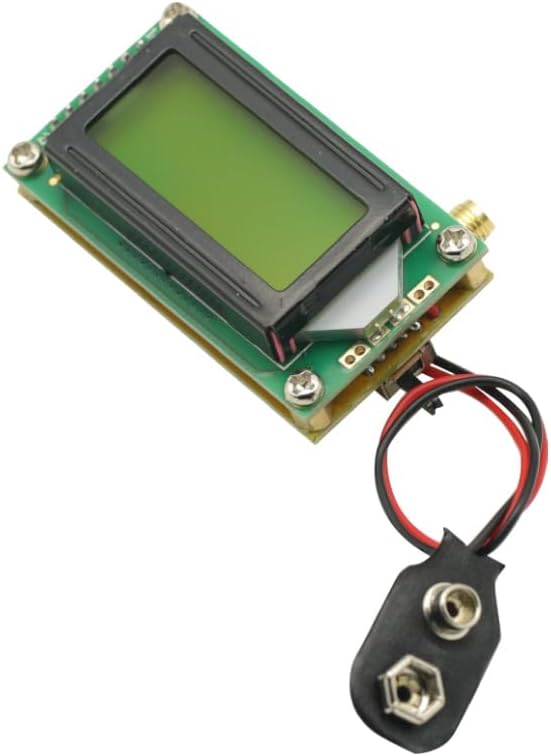
This portable frequency counter targets the most popular VHF and UHF bands used by local repeaters and mobile operations. It is ideal for quick checks on handhelds without carrying a larger unit.
We may earn a commission when you buy through this link, at no additional cost to you.
The CTCSS and DCS decoder allows you to verify tone settings quickly. This is useful when troubleshooting repeater access issues or setting up private line tones.
It runs on a standard 9V battery making it easy to power anywhere. The tiny footprint ensures it fits in a pocket alongside your handheld radio for convenient field work.
If you need a lightweight tool for specific bands this counter offers good value. It simplifies tone verification and basic frequency checks without unnecessary complexity.
The 9V battery power source ensures you can find replacement cells easily during remote operations.
One button control reduces setup time so you can focus on testing the signal quickly.
We may earn a commission when you buy through this link, at no additional cost to you.
The Anysecu SF-103 is an upgraded iteration of the popular SF401 series offering improved performance and broader frequency coverage. It serves maintenance personnel and wireless enthusiasts who require reliable testing tools.
We may earn a commission when you buy through this link, at no additional cost to you.
Its frequency range spans from 2MHz up to 2.8GHz covering most amateur and commercial radio bands. The signal strength indicator helps gauge transmission quality while checking frequencies.
The four button control interface remains simple and intuitive for quick operation in the field. Portability ensures you can carry it without adding significant bulk to your gear.
This device is well-suited for those needing an upgrade from basic counters. It balances performance and ease of use for routine frequency verification tasks effectively.
As an upgrade version this model offers refined accuracy and stability over previous iterations.
The compact and lightweight design ensures you can carry it comfortably to remote testing sites.
We may earn a commission when you buy through this link, at no additional cost to you.
This handheld frequency counter from Mcbazel provides robust measurement capabilities for walkie talkies and two-way radios. It is designed for maintenance personnel and enthusiasts who need precise readings across many bands.
We may earn a commission when you buy through this link, at no additional cost to you.
The TCXO temperature compensated oscillator ensures consistent accuracy between 45 and 65 degrees Celsius. Battery level warnings help avoid unexpected shutdowns during important testing sessions.
Note that the maximum direct input signal is limited to 5V to protect the internal components. You must avoid connecting directly to radio antenna outputs without proper attenuation.
Ideal for those needing a portable solution with strong temperature stability this counter delivers reliable results. It fits well into regular maintenance workflows for wireless equipment.
The TCXO oscillator maintains precision across varying outdoor temperatures for trustworthy readings.
Built-in battery level warning prevents unexpected failures during critical field testing procedures.
We may earn a commission when you buy through this link, at no additional cost to you.
The Acxico frequency counter module serves as a basic component for DIY enthusiasts building custom test equipment. It covers from 1 to 500MHz which is sufficient for many amateur band projects.
We may earn a commission when you buy through this link, at no additional cost to you.
It features a simple LCD display and uses standard PCB material for construction. This unit is not a complete handheld tool but a module that requires additional housing and power.
The accuracy is adjustable to limited decimal precision which may not satisfy professional calibration needs. It is best suited for hobbyists or students exploring frequency measurement basics.
If you are building your own test kit this module offers a starting point. Keep in mind its limitations regarding precision and standalone usability.
This module is designed for inclusion in custom builds rather than standalone commercial use.
The LCD display offers clear readouts for basic frequency values without complex features.
We may earn a commission when you buy through this link, at no additional cost to you.
This frequency counter meter board provides basic measurement capabilities for ham radio kit builders. It operates from 1MHz to 500MHz and features an LCD display for clear readouts.
We may earn a commission when you buy through this link, at no additional cost to you.
Its low power design makes it suitable for battery powered projects. The board is new and intended for integration into larger test or monitoring setups.
While it lacks the polish of finished handheld units it serves a niche for educational or custom builds. You will need to supply your own casing and power connections.
This component is ideal for those learning RF measurement principles. It offers a straightforward way to monitor frequency in amateur projects.
The low power consumption design supports battery operation for portable custom builds.
This board is optimized for inclusion in ham radio kits rather than standalone commercial use.
We may earn a commission when you buy through this link, at no additional cost to you.
Selecting the right frequency counter depends on your operational needs whether you require basic verification or high precision calibration. Understanding key factors ensures you invest in a tool that delivers reliable results.
Ensure the counter covers the bands you operate on most often. Most handheld models cover VHF and UHF bands while some extend to HF and higher frequencies for comprehensive station monitoring.
Prioritize units that match your typical operating frequencies to avoid needing multiple devices.
Look for models with TCXO or GPSDO oscillators to maintain accuracy across temperature variations. Higher stability ensures compliance with band plans and reduces drift during extended measurements.
Stable oscillators are essential for calibration tasks and precision tuning of transmitters.
Verify whether the counter supports continuous wave signals or modulated waveforms. Basic counters may not display modulated voice signals accurately which limits their usefulness on active channels.
Select a model that matches the modulation types you encounter in your daily operations.
Consider size weight and power sources if you plan to use the counter outdoors. Handheld units with internal batteries offer flexibility while bench units require constant mains power.
Portable options with standard batteries like 9V or rechargeable packs enhance field usability.
Features like CTCSS and DCS decoding signal strength indicators or spectrum analysis add value. These tools help you diagnose issues beyond simple frequency measurement.
Choose extra features only if they address specific problems you face in your station.
Robust construction ensures the device survives drops and harsh environments during field use. Check for weather resistance ratings or rugged cases if you operate in challenging conditions.
Durable materials reduce maintenance needs and extend the lifespan of your testing equipment.
A solid warranty protects your investment against defects and premature failure. Look for vendors offering technical support to assist with setup or troubleshooting.
Good customer service ensures you can resolve issues quickly and minimize downtime.
Balance cost with required performance. Basic counters offer value for simple checks while precision units command higher prices for lab grade accuracy.
Set a realistic budget based on your needs to avoid overspending on unnecessary features.
Connect the frequency counter to your radio using the provided antenna or probe ensuring proper impedance matching. Position the device near the transmitter output to get a strong stable signal.
Turn on the device and select the appropriate frequency range for your signal. Observe the display to verify the carrier frequency matches your intended band.
Store the counter in a protective case when not in use and avoid exposing it to moisture or extreme temperatures. Replace batteries regularly and calibrate using a known reference source periodically.
A frequency counter measures the exact frequency of transmitted signals to ensure compliance with band allocations. It helps operators verify transmitter outputs and diagnose tuning errors accurately.
Most basic counters measure continuous wave signals and may not display modulated voice frequencies accurately. Specialized units with broader bandwidth are needed for modulated signal analysis.
TCXO or Temperature Compensated Crystal Oscillator ensures the device remains accurate despite temperature changes. This stability is crucial for reliable measurements in outdoor or varying conditions.
A spectrum analyzer provides detailed signal visualization beyond simple frequency counting. Choose a spectrum analyzer if you need to analyze noise floors or signal bandwidths.
Never connect the counter directly to high power antenna outputs. Use attenuators to reduce signal levels before feeding them into the measurement device to prevent damage.
Portable counters often use rechargeable internal batteries or standard 9V cells. Always check manufacturer specifications to ensure you use the correct battery type for safe operation.
We have reviewed ten top frequency counters ranging from basic handheld models to high precision analyzers suitable for serious ham radio operations. Each option delivers reliable frequency verification tailored to different needs and budgets.
Prioritize accuracy and range compatibility based on your specific bands of operation. Features like TCXO stability and CTCSS decoding add significant value for routine testing and troubleshooting.
Always verify current availability and pricing before purchase as inventory changes frequently. Investing in a quality counter ensures your transmissions remain accurate and compliant with regulations.