
Windows 11 Laptop with i3 Processor
4.5Editor score
Intel Core i3 processor
12GB RAM capacity
15.6 inch Full HD screen
Compare the top 10 laptops for engineering students in October 2026. This guide reviews performance, battery life, and portability to help you choose the best
Engineering students require powerful machines capable of handling complex simulations, coding environments, and design software. Choosing the right laptop means balancing processing power with portability for campus life and long study sessions in libraries or labs.
We analyzed ten distinct models ranging from budget-friendly options to high-performance workstations. Our comparison focuses on processor speed, memory capacity, storage options, and display quality to ensure every pick meets the rigorous demands of modern engineering curricula.
Each selection below highlights specific strengths like battery endurance, screen clarity, or specialized ports. Prices and availability fluctuate frequently so check current listings before purchasing to secure the best value for your specific academic and professional needs.
4.5Editor score

4.6Editor score

4.6Editor score
This side by side comparison details the key specifications of every laptop on our list to help you quickly identify which model offers the best balance of speed, storage, and display quality for your engineering coursework.


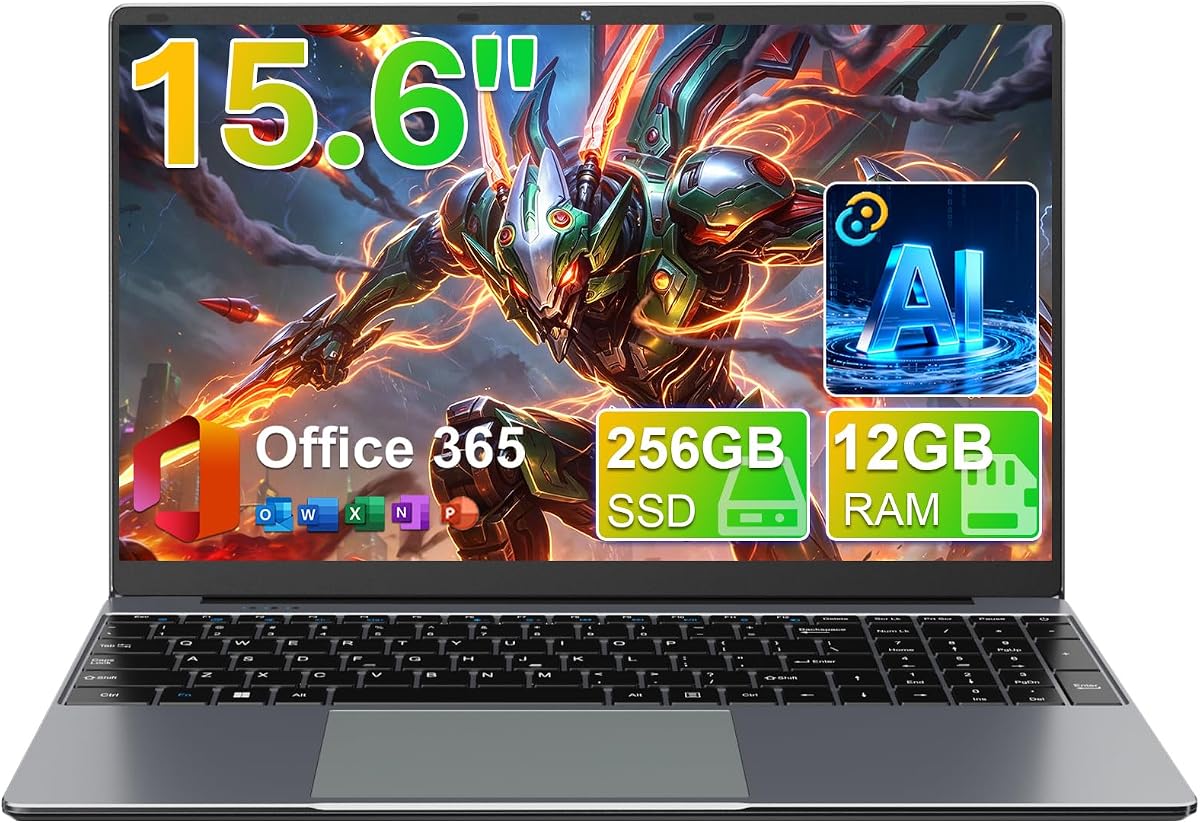


This Windows 11 laptop offers a solid entry point for engineering students on a tight budget. With a 4.5 star rating it provides reliable performance for basic tasks like word processing and web research. The 12GB RAM ensures you can run multiple applications without immediate lag.
We may earn a commission when you buy through this link, at no additional cost to you.
The Intel Core i3 processor handles multitasking well enough for introductory courses. The 15.6 inch Full HD screen delivers clear visuals for reading technical diagrams. Connectivity options include USB 3.0 and HDMI allowing you to connect external monitors for expanded workspace.
While it lacks the power for heavy 3D rendering it covers the fundamentals effectively. The battery life supports a full day of classes without needing a charger. The backlit keyboard is useful for late night study sessions in dimly lit libraries.
This machine is ideal for freshmen needing a portable tool for general coursework. It balances cost and performance well for those who do not need high end graphics. Consider it if your primary focus is on software tools that do not demand extreme processing power.
The 12GB RAM and SSD combination ensures quick boot times and smooth switching between browser tabs and engineering software.
Multiple USB ports and an HDMI output allow you to easily connect peripherals and external displays for presentations.
We may earn a commission when you buy through this link, at no additional cost to you.
This HP 14 inch laptop stands out for its battery life and included productivity suite. Rated at 4.4 stars it is designed for students who need to work for long periods without an outlet. The Intel N150 processor provides adequate speed for web based tools.
We may earn a commission when you buy through this link, at no additional cost to you.
The inclusion of a one year Microsoft 365 subscription adds significant value. You get immediate access to Word and Excel which are essential for lab reports. The compact 14 inch form factor makes it easy to carry between lectures.
However the 128GB storage is quite limited for large project files. You may need to rely on cloud storage or external drives. The HD resolution is functional but not ideal for detailed CAD work.
Choose this if you prioritize mobility and battery endurance over raw power. It is perfect for students who mostly use web based applications. The fast WiFi 6 ensures stable connections during online exams or video conferences.
The included Microsoft 365 subscription saves money and ensures you have the tools needed for assignment submission.
Weighing just 3.24 lbs this laptop is light enough to carry all day without strain on your shoulders.
We may earn a commission when you buy through this link, at no additional cost to you.
The HP Stream 14 inch offers an unusual mix of low end processor and high memory storage. With 16GB RAM and over 1TB of combined storage it handles file heavy tasks better than similar budget units. The 4.2 rating reflects its value for storage needs.
We may earn a commission when you buy through this link, at no additional cost to you.
This laptop is excellent for students who need to store many lectures and documents. The included docking station set expands connectivity options significantly. You can connect multiple peripherals without cluttering your desk in dorm rooms.
The processor is less powerful than others on this list which may slow down complex calculations. The display is HD which is adequate for text but less sharp for graphics. It is a niche choice for specific storage priorities.
Consider this if your main issue is running out of hard drive space. The RAM allows for decent multitasking despite the weaker CPU. It is a cost effective solution for storing and accessing large academic libraries.
The combination of eMMC and external storage provides plenty of room for project files and media.
The bundled docking station adds extra ports to simplify connecting external devices like printers or drives.
We may earn a commission when you buy through this link, at no additional cost to you.
This Essential Laptop brings modern connectivity features to a budget price point. It supports Wi-Fi 6 which ensures stable internet connections in crowded campus networks. The 4.4 rating indicates satisfaction with its core functions for daily use.
We may earn a commission when you buy through this link, at no additional cost to you.
The USB Type-C port allows for fast data transfer and charging. This is useful for students who use multiple peripherals throughout the day. The micro-edge bezel design maximizes the screen area in a small 14 inch chassis.
The 4GB RAM may limit your ability to run heavy engineering software. It is best suited for basic productivity and web browsing. The battery life supports long days in class but you might need a power bank for intensive tasks.
Choose this if you need a simple reliable machine for online classes. The modern ports ensure it stays relevant for years. It is a practical choice for students with light computing requirements.
Wi-Fi 6 ensures you get the fastest possible speeds on university networks.
The thin design makes it easy to slip into a crowded backpack without adding bulk.
We may earn a commission when you buy through this link, at no additional cost to you.
This student laptop offers a high resolution IPS screen which is rare at this price. The 4.6 rating suggests high customer satisfaction with its visual quality and general performance. The built-in AI assistant helps streamline daily tasks like note taking.
We may earn a commission when you buy through this link, at no additional cost to you.
The 12GB RAM and SSD combination provides smooth responsiveness for most school work. The 180 degree hinge allows you to lay the screen flat for group presentations. This flexibility is great for collaborative engineering projects.
While the processor is older it handles standard applications well. The IPS display offers better color accuracy than standard TN panels. You will appreciate the clarity when reading detailed technical schematics or diagrams.
Consider this if screen quality is your top priority on a budget. It is a strong contender for general academic use. The included software adds value that simplifies your workflow.
The IPS panel delivers better viewing angles and colors for a more pleasant reading experience.
The 180 degree opening angle allows for easy sharing of content with peers during study sessions.
We may earn a commission when you buy through this link, at no additional cost to you.
This model integrates Copilot AI to assist with writing and research tasks. It is designed for efficiency and mobility. The 4.3 rating reflects its suitability for standard student activities without heavy loads. The green finish offers a stylish look.
We may earn a commission when you buy through this link, at no additional cost to you.
The laptop weighs only 3.24 lbs making it easy to transport between buildings. You can carry it all day without fatigue. The battery life supports extended use which is helpful for long library sessions.
The performance is limited to basic tasks due to the hardware specs. It is not intended for heavy multitasking or complex simulations. The AI features help you work smarter even if the hardware is modest.
Select this if you want AI tools integrated into your workflow. It is great for students focused on administration and general coursework. The design ensures you look professional in any setting.
Built-in AI assists with drafting emails and documents to save time on routine tasks.
The lightweight design and modern finish make it a fashionable choice for daily campus use.
We may earn a commission when you buy through this link, at no additional cost to you.
This Lenovo laptop delivers top tier performance for serious engineering students. With an Intel Core i7 processor and 24GB RAM it handles complex software like MATLAB and CAD smoothly. The 4.6 rating highlights its robustness and speed.
We may earn a commission when you buy through this link, at no additional cost to you.
The 1TB NVMe SSD provides fast loading times for large projects. You can store all your course materials locally without worrying about space. The military grade testing ensures it survives the rigors of daily campus life.
While it is heavier than the budget options it is portable enough for travel. The battery life supports a full day of work. The display is sharp and anti-glare which reduces eye strain during long coding sessions.
Invest in this if you need a machine that will last through your degree. It removes bottlenecks for demanding applications. The durability ensures it remains reliable throughout your academic journey.
The 13th Gen i7 processor ensures smooth performance for simulations and multi-threaded tasks.
MIL-STD-810H testing guarantees the chassis can withstand drops and vibrations during travel.
We may earn a commission when you buy through this link, at no additional cost to you.
This versatile laptop is suitable for both home and campus use. It features advanced noise reduction for clear communication during calls. The 4.4 rating indicates reliability for general student needs. The design prioritizes simplicity and function.
We may earn a commission when you buy through this link, at no additional cost to you.
The HD display is comfortable for long periods thanks to the anti-glare coating. You can work on assignments without worrying about reflections. The battery life supports extended use away from a power source.
It excels in connectivity with multiple USB ports and HDMI. You can easily link up to a monitor for a dual screen setup. The WiFi 6 ensures you stay connected during remote exams.
Choose this for its balanced features across different environments. It is great for students who split time between home and school. The audio quality makes it useful for virtual meetings.
Integrated noise reduction technology ensures you are heard clearly during video conferences.
Wi-Fi 6 delivers consistent speeds even when many people are connected to the network.
We may earn a commission when you buy through this link, at no additional cost to you.
This Dell laptop balances performance with visual comfort for extended use. The i5 processor offers solid speed for engineering applications. The 4.3 rating reflects its reliability for general computing tasks. The design includes ergonomic touches for typing.
We may earn a commission when you buy through this link, at no additional cost to you.
The ComfortView software reduces blue light to protect your eyes. This is crucial during late night study sessions. The numeric keypad helps with data entry tasks like spreadsheets.
It is slightly heavier than other options but remains portable. The Express Charge feature helps you regain power quickly between classes. The display quality ensures details are clear for technical work.
Opt for this if you need a reliable machine for data heavy work. The ergonomic design reduces strain during long hours. It is a practical choice for students who value comfort.
ComfortView helps reduce eye strain so you can work longer without fatigue.
Express Charge allows you to get significant battery life in a short amount of time.
We may earn a commission when you buy through this link, at no additional cost to you.
This premium laptop offers a large workspace for complex engineering projects. The 17.3 inch screen allows you to view multiple windows side by side. The 4.6 rating confirms its high quality and performance for demanding tasks.
We may earn a commission when you buy through this link, at no additional cost to you.
The AMD Ryzen 5 processor is energy efficient yet powerful. It handles multitasking with ease across many applications. The Windows 11 Pro edition adds security features useful for academic work.
The large screen makes it less portable but more productive. Fast charging ensures you spend more time working and less time plugged in. The numeric keypad is useful for entering data frequently.
Choose this if you need a desktop replacement for heavy lifting. It is ideal for design and analysis work. The speed keeps your workflow smooth throughout the day.
The 17.3 inch screen provides ample space to view code and diagrams simultaneously.
Windows 11 Pro provides enhanced security and management features for academic environments.
We may earn a commission when you buy through this link, at no additional cost to you.
Selecting the right laptop involves balancing several technical factors to ensure it meets your academic needs without breaking the bank.
The processor is the brain of your computer and determines how fast it can run calculations. For engineering you need at least an i5 or equivalent Ryzen chip to handle simulations smoothly.
Look for multi core processors to manage background tasks like downloading and streaming while you work.
RAM affects how many programs you can run simultaneously without slowing down. Eighteen is the minimum but aim for 16GB or more if your software is heavy.
More RAM allows for smoother multitasking when running virtual machines or coding environments.
Solid State Drives offer faster boot times and file access compared to traditional hard drives. They also consume less power which extends battery life.
Aim for at least 512GB storage to keep your local files and software libraries without needing constant cleanup.
A high resolution screen is vital for reading diagrams and detailed code. Full HD resolution ensures text is crisp and reduces eye strain.
Larger screens help with multitasking but increase weight. Balance size with how often you will be moving around campus.
You need enough battery power to last through a full day of lectures and study sessions. Look for models promising at least eight hours of real world use.
Lighter laptops are easier to carry but often sacrifice performance or port count for weight savings.
Engineering work often requires connecting to external monitors or specialized hardware. Ensure your laptop has enough USB and HDMI ports.
Fast Wi-Fi is essential for large file transfers and online collaboration with your peers.
Some engineering tools are built specifically for Windows or Linux. Check if your software runs natively on your chosen OS.
Windows is generally the safest bet for compatibility with industry standard engineering software.
Your laptop will travel with you to labs and libraries so it must be sturdy. Look for models with reinforced hinges and durable materials.
A rugged build ensures the machine survives daily drops and bumps without performance degradation.
Keep your laptop in a padded case to protect it from physical shocks while moving around campus. This simple step prevents internal damage to hard drives and screens.
Install only necessary software to keep your system running fast. Remove unused applications regularly to free up storage space and improve performance.
Clean your screen with a microfiber cloth to avoid scratches. Dust and smudges can reduce screen clarity and make reading diagrams more difficult over time.
Eight GB is the absolute minimum but 16GB is recommended for smooth performance. Complex simulations require more memory to run without crashing your system. Check your software requirements before buying to ensure compatibility.
It depends on your specific major. Mechanical and civil engineers often need dedicated graphics for 3D modeling. General engineering majors can usually rely on integrated graphics for standard coursework.
Screen size affects productivity and portability. Larger screens allow more workspace but add weight. If you travel often a 14 or 15 inch model is a good compromise.
Some models allow upgrades to RAM and storage but many modern laptops have soldered components. Check the user manual or manufacturer specs to confirm what is upgradeable before purchasing.
Windows is more compatible with industry standard engineering software. Some specific tools may not run on macOS without virtualization. Check your curriculum requirements to decide.
Aim for at least eight hours of real world use to last through a school day. Always carry a charger just in case you run out of power during a long study session.
We have reviewed ten top laptops for engineering students ranging from budget options to premium workstations. The Lenovo model stands out for its powerful processing and durability for demanding tasks.
Prioritize performance and storage when making your decision. You want a machine that supports your software needs for years without needing a replacement.
Check current prices before purchasing as deals can vary significantly. The best laptop for you is the one that fits your specific budget and technical requirements.